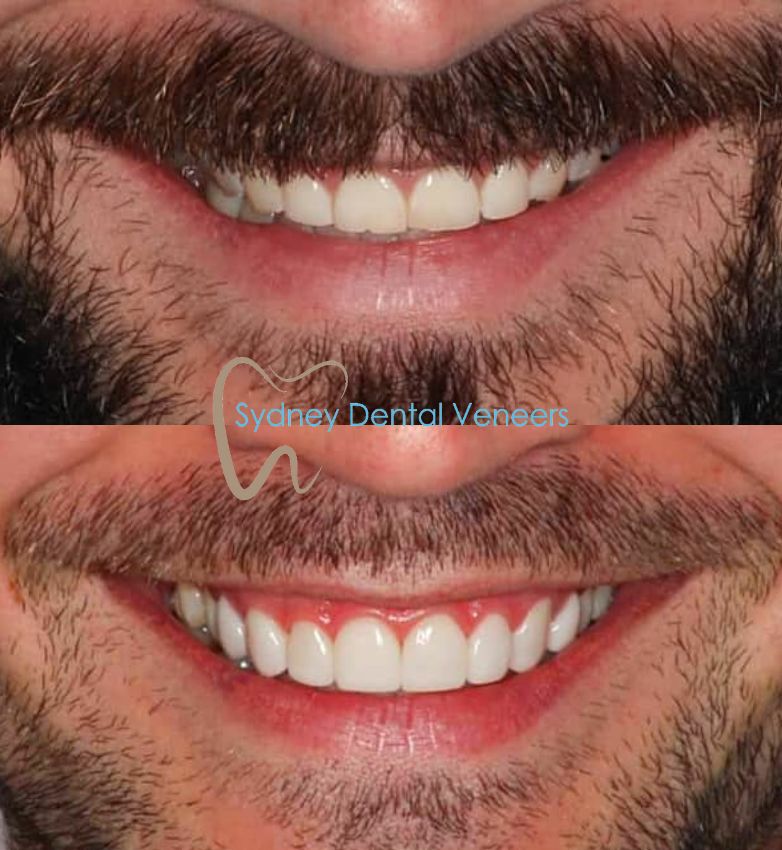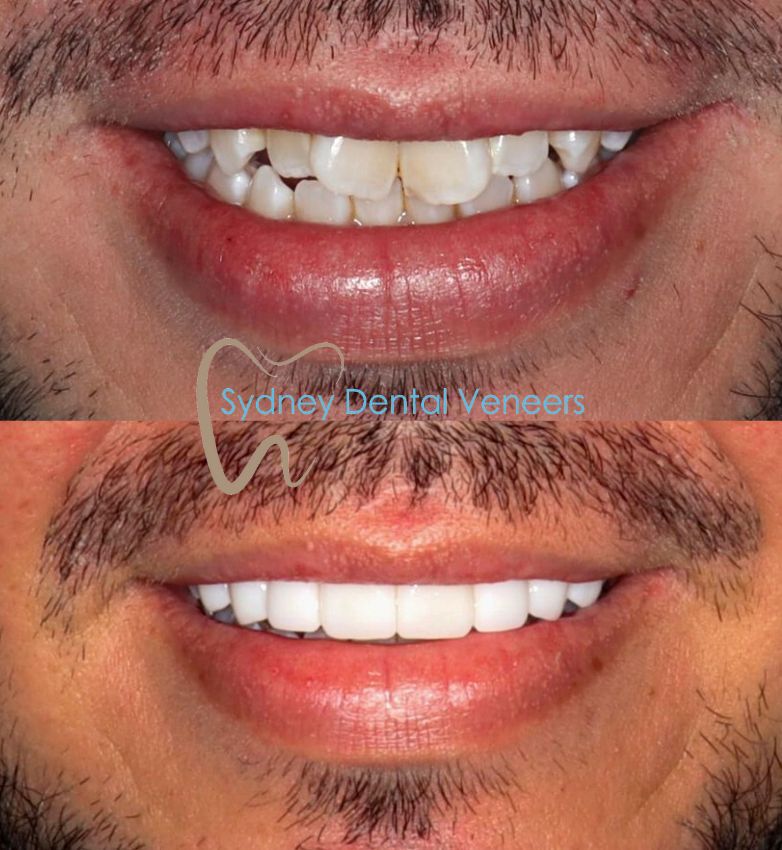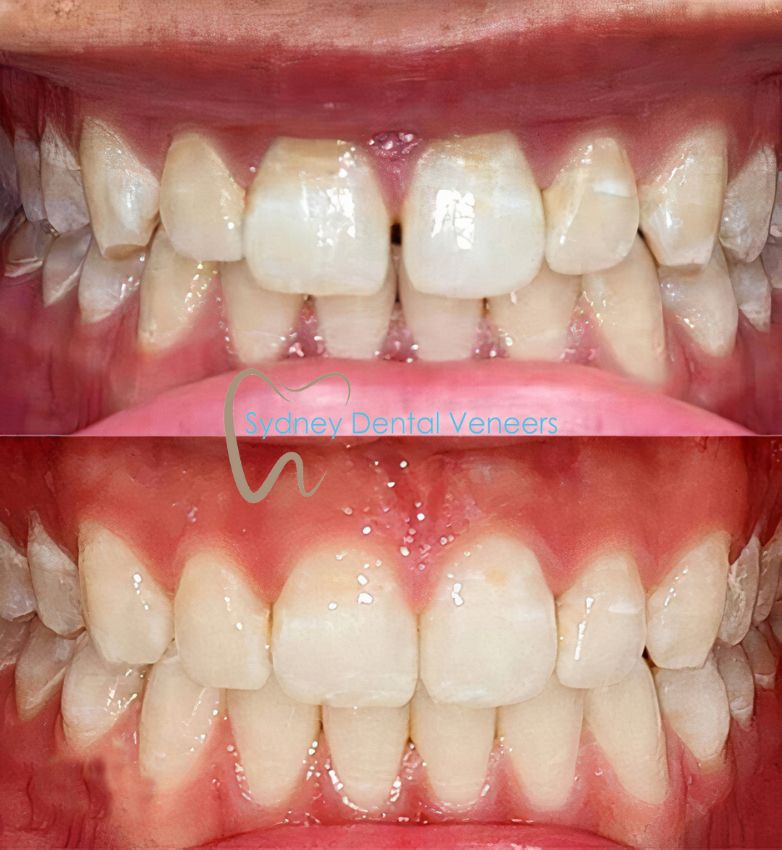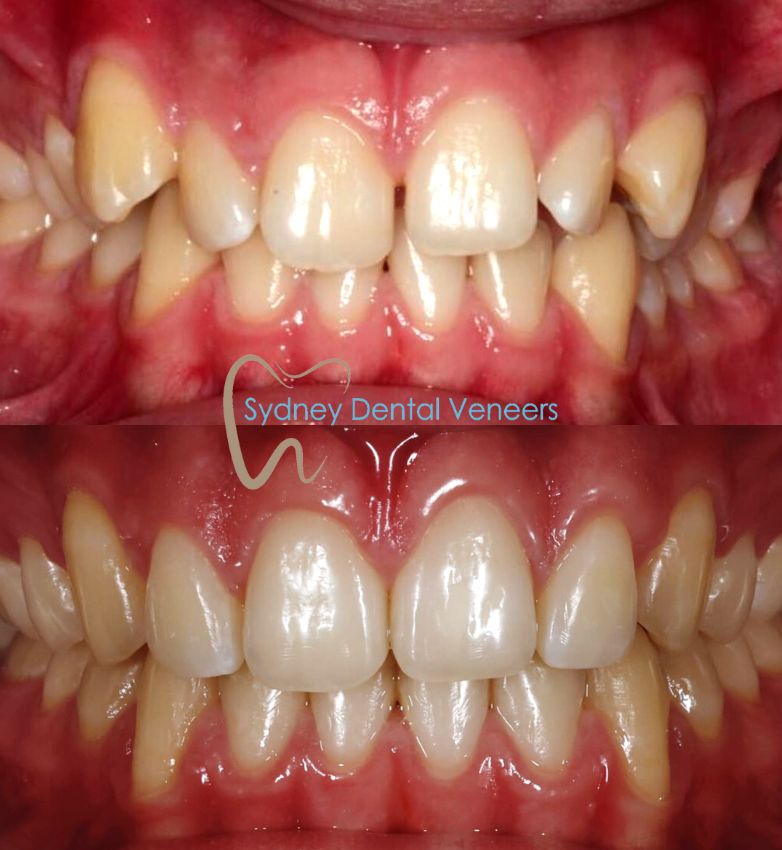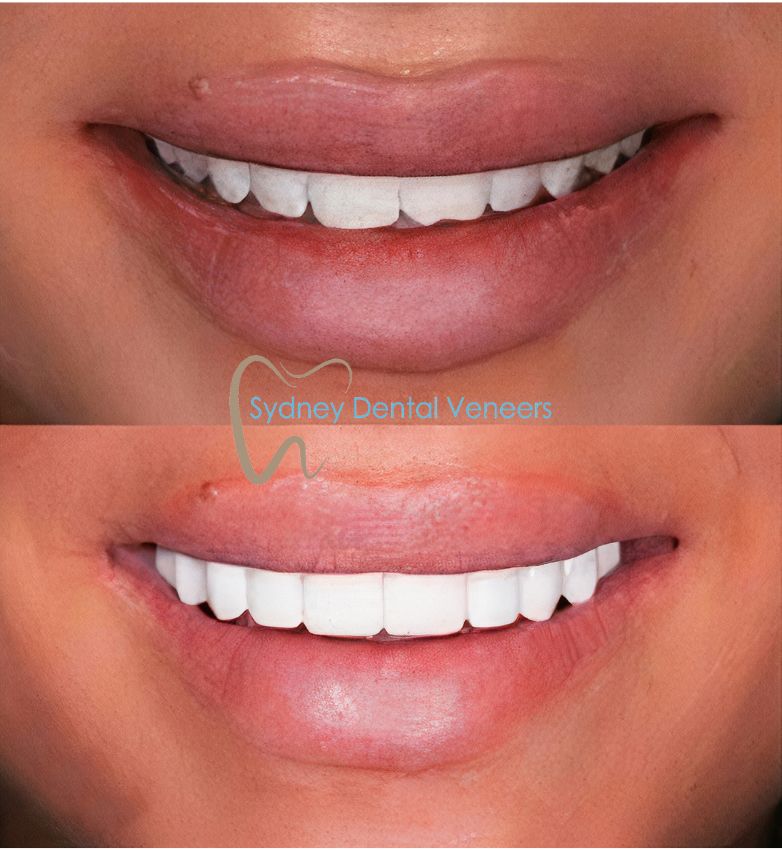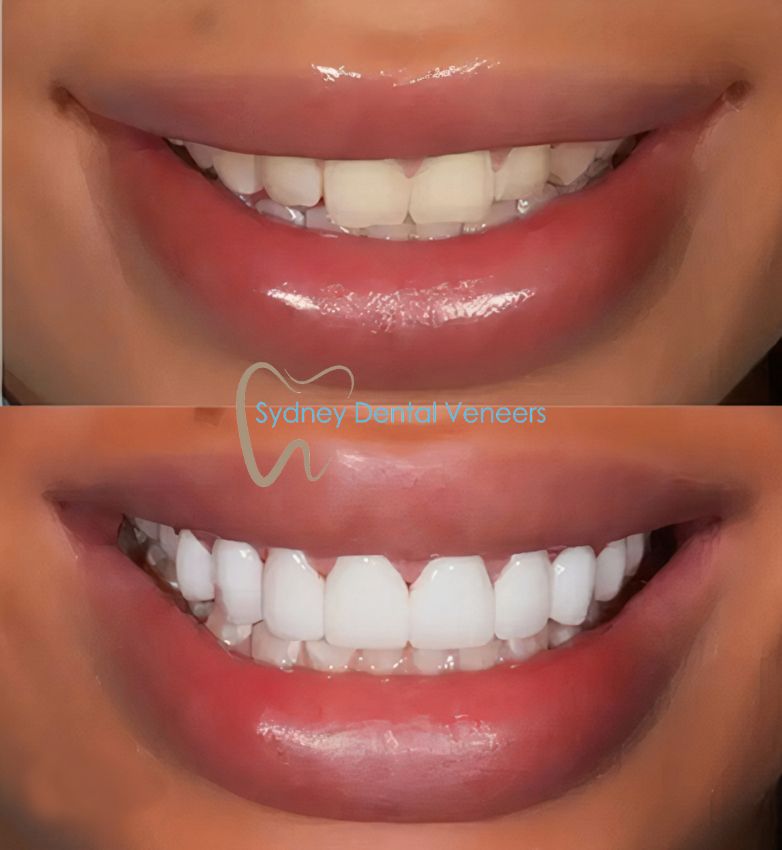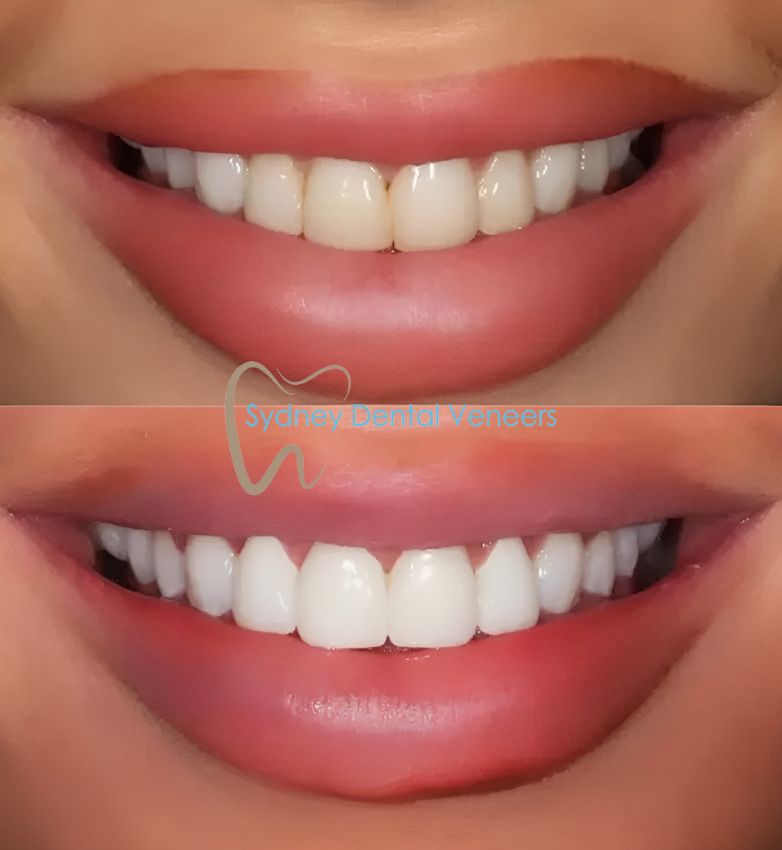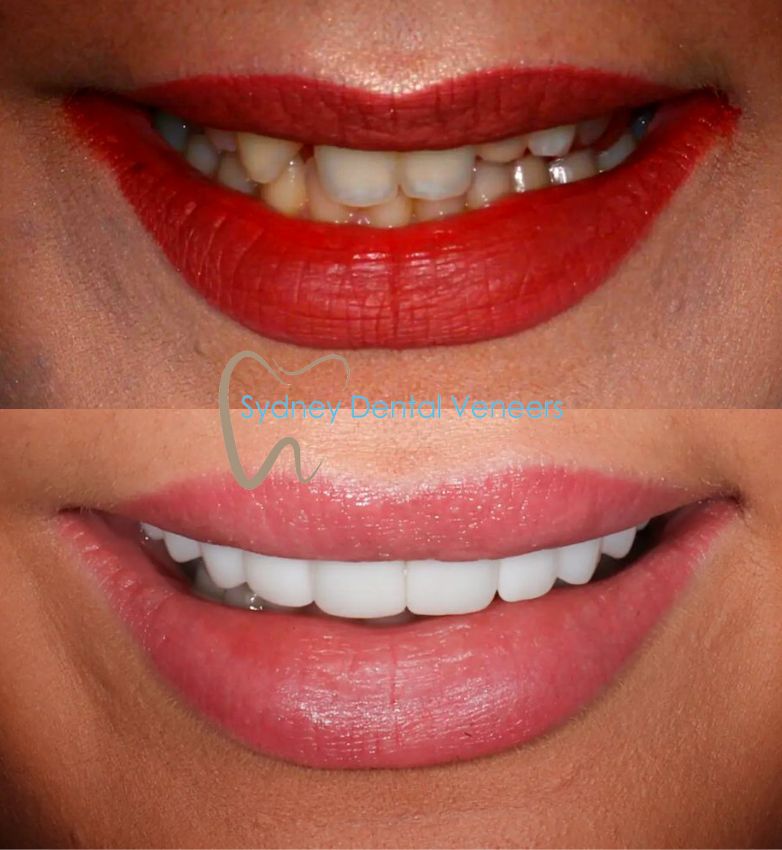
Tooth Crown: 5 Important Things to Know Before Getting a Dental Crown
A tooth crown is a commonly used dental restoration designed to protect and restore a damaged or weakened tooth. If your dentist has recommended a crown tooth, or if you are researching treatment options, understanding how dental crowns work can help you make informed decisions about your oral health.
This guide outlines five important things you should know about tooth crowns, including what they are, when they may be recommended, the tooth crown procedure, material options, and long-term care considerations. The information provided is general in nature and does not replace personalised advice from a qualified dental professional.
What Is a Tooth Crown?
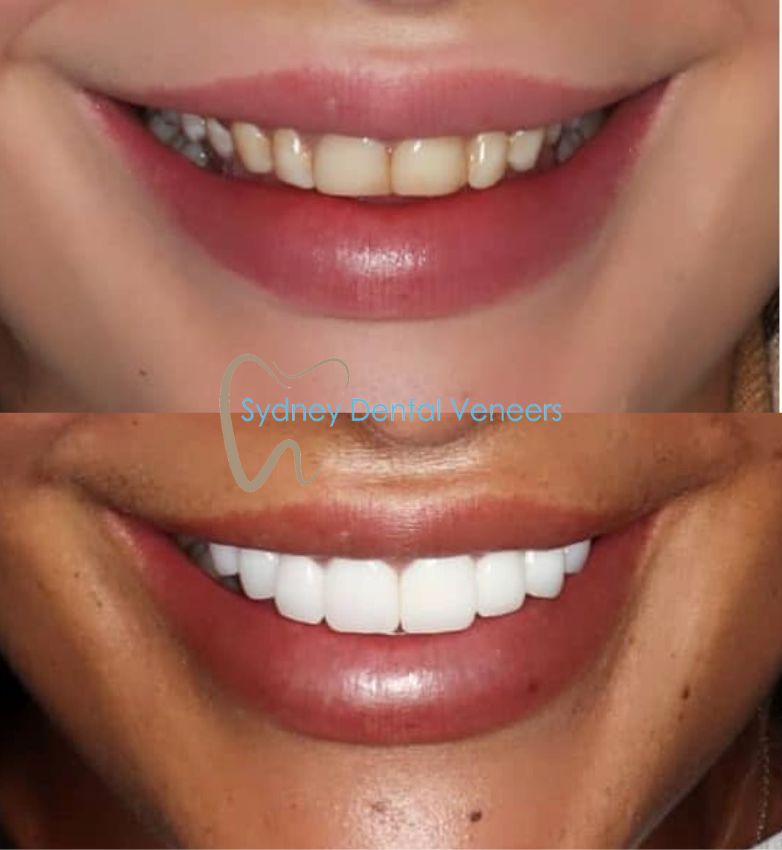
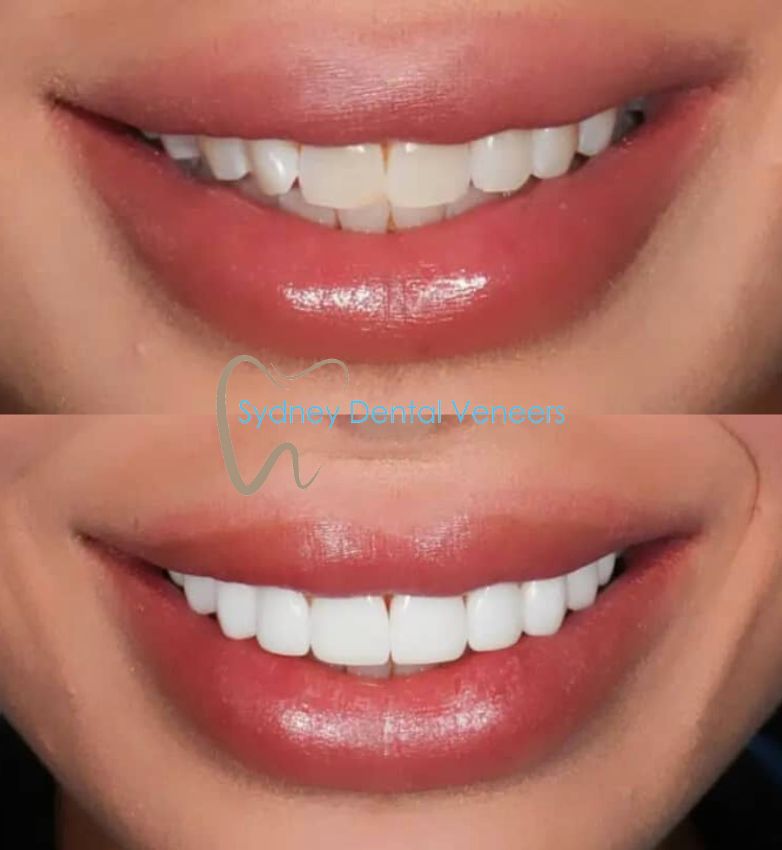
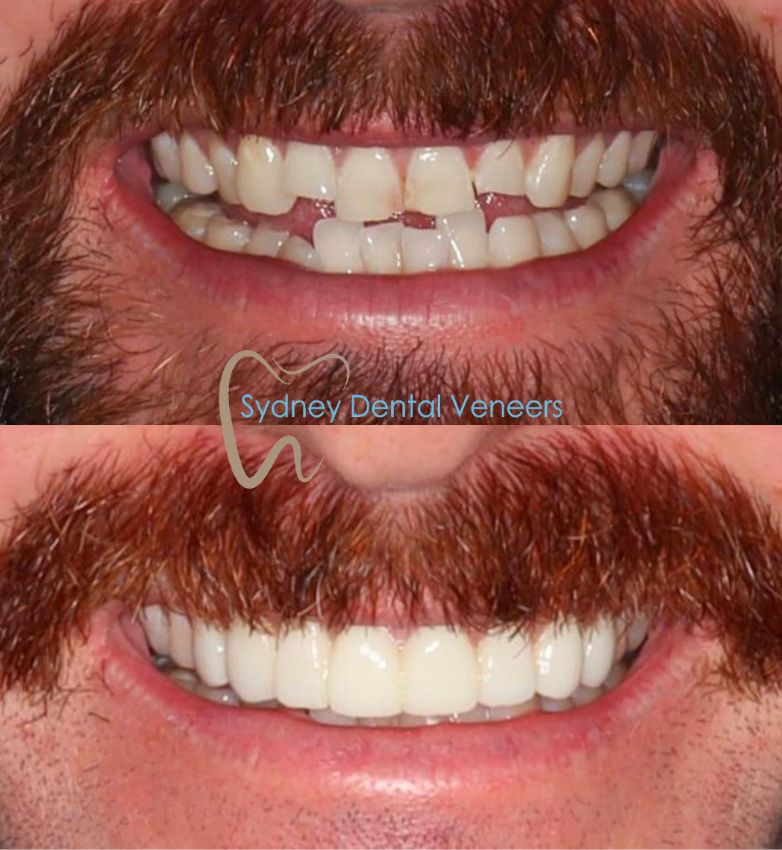
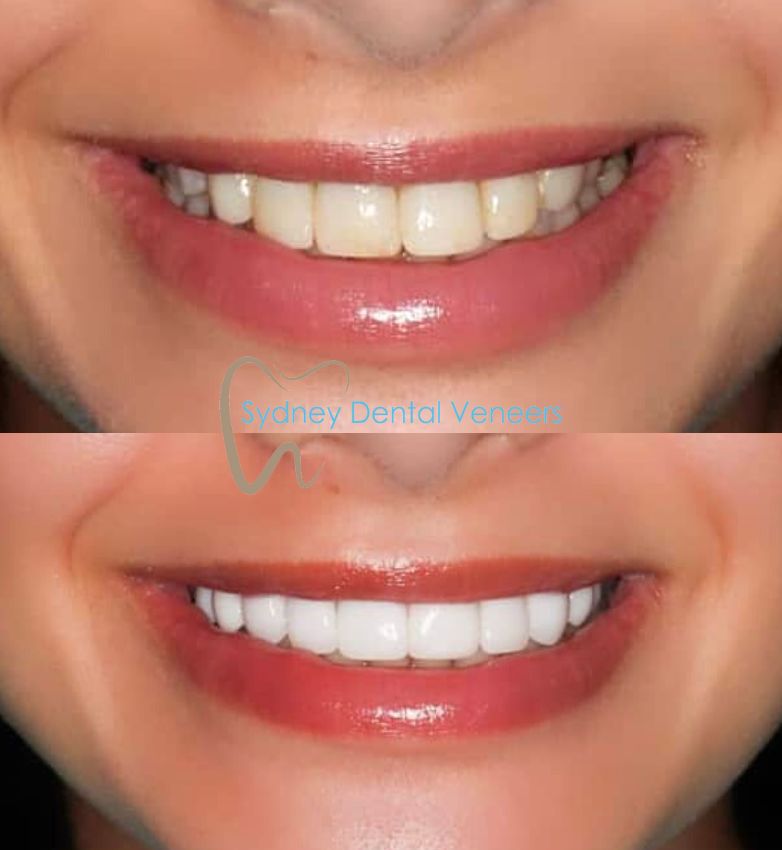
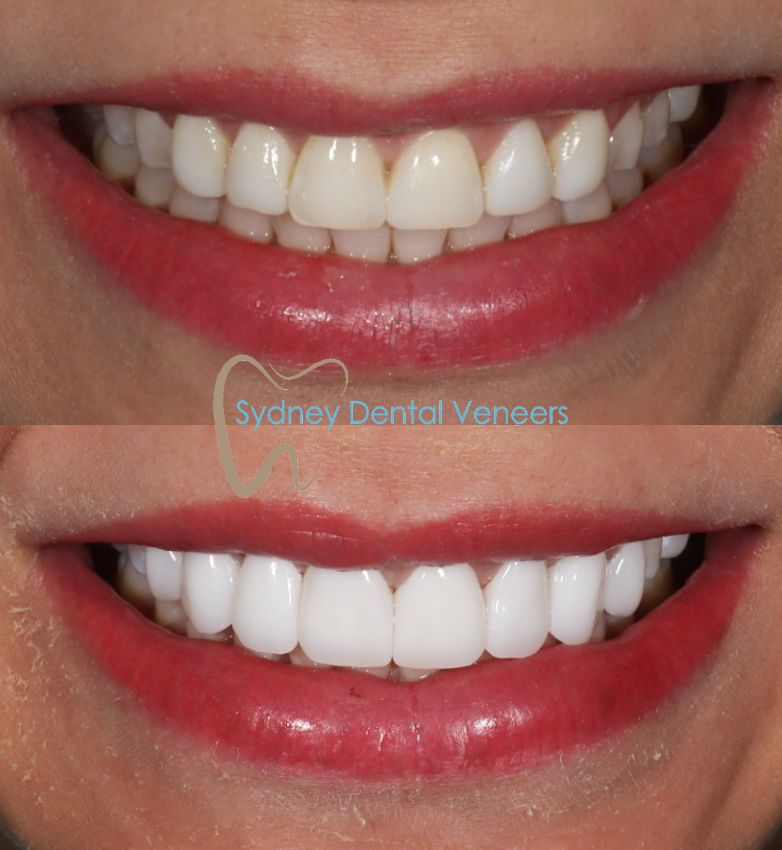
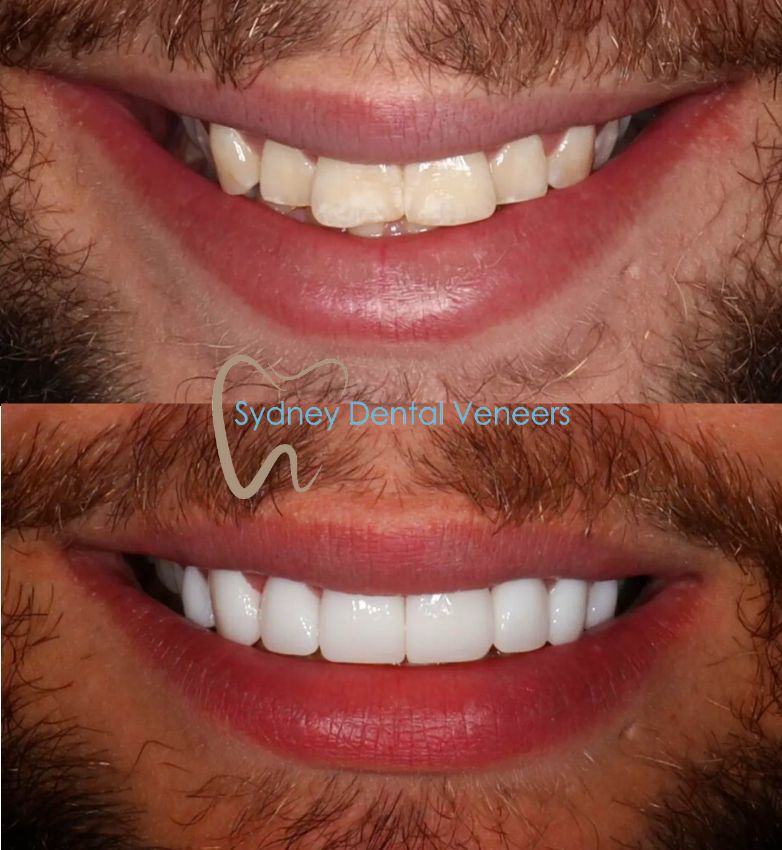
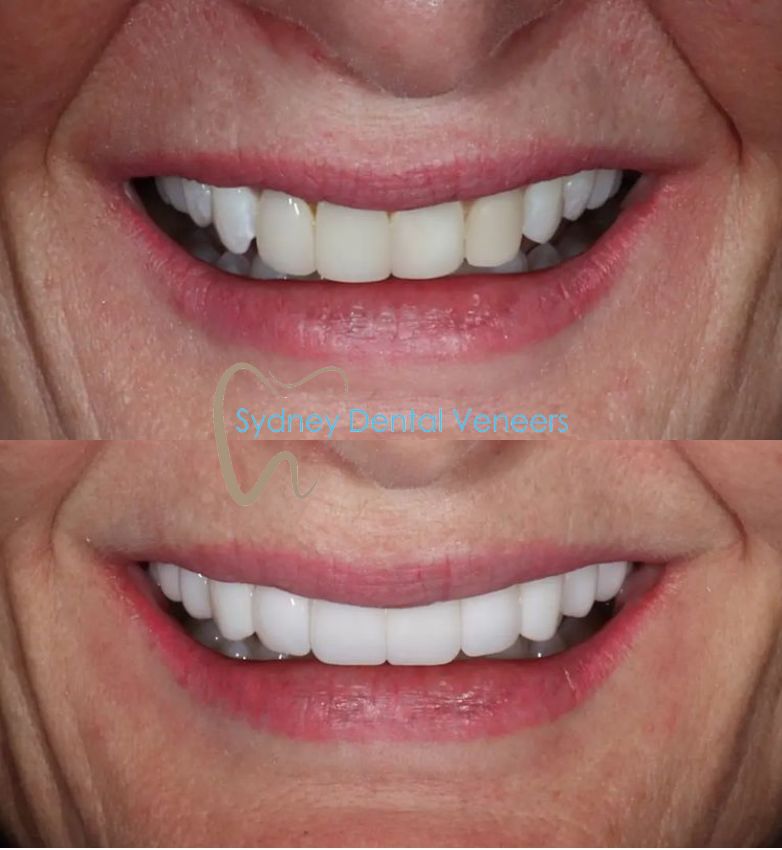
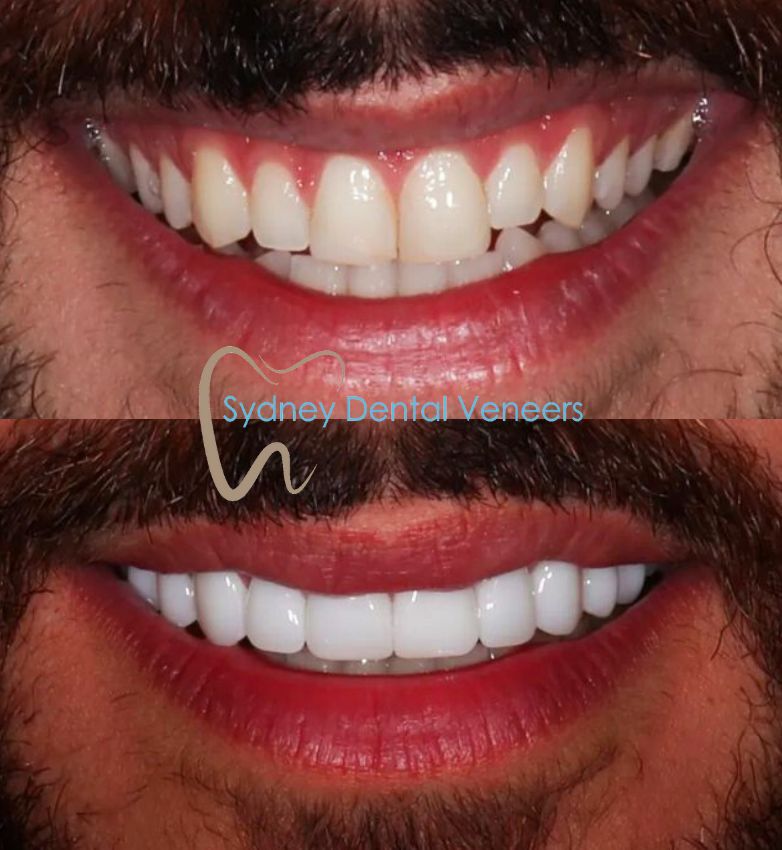
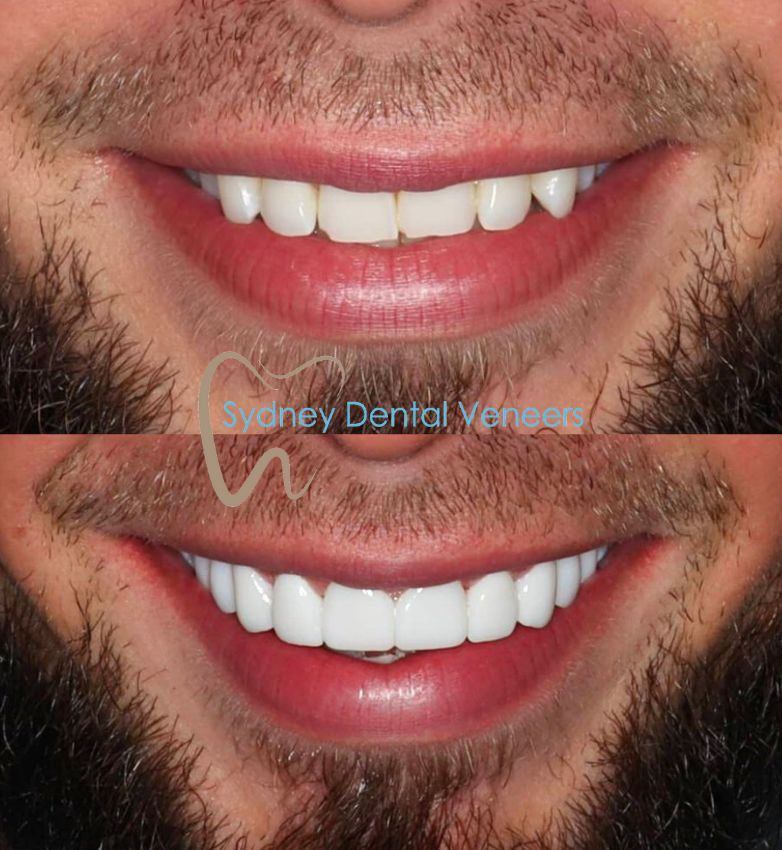
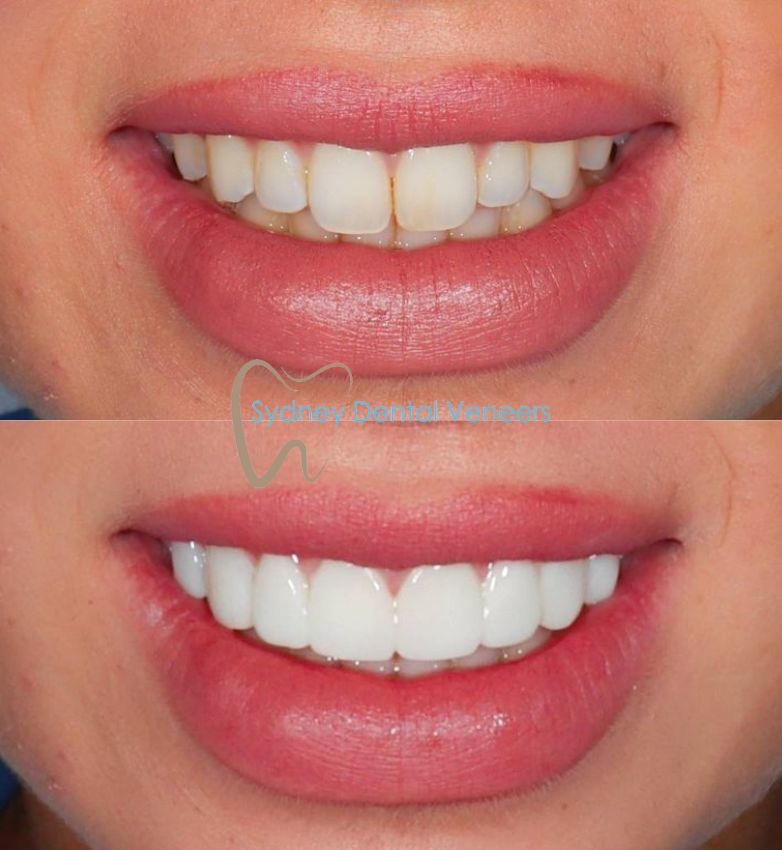
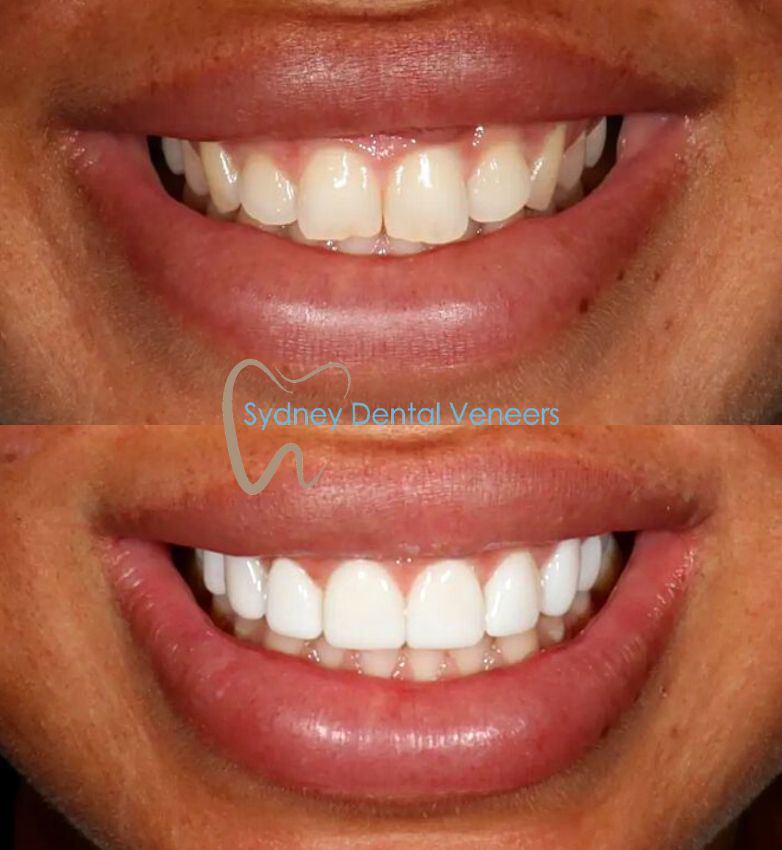
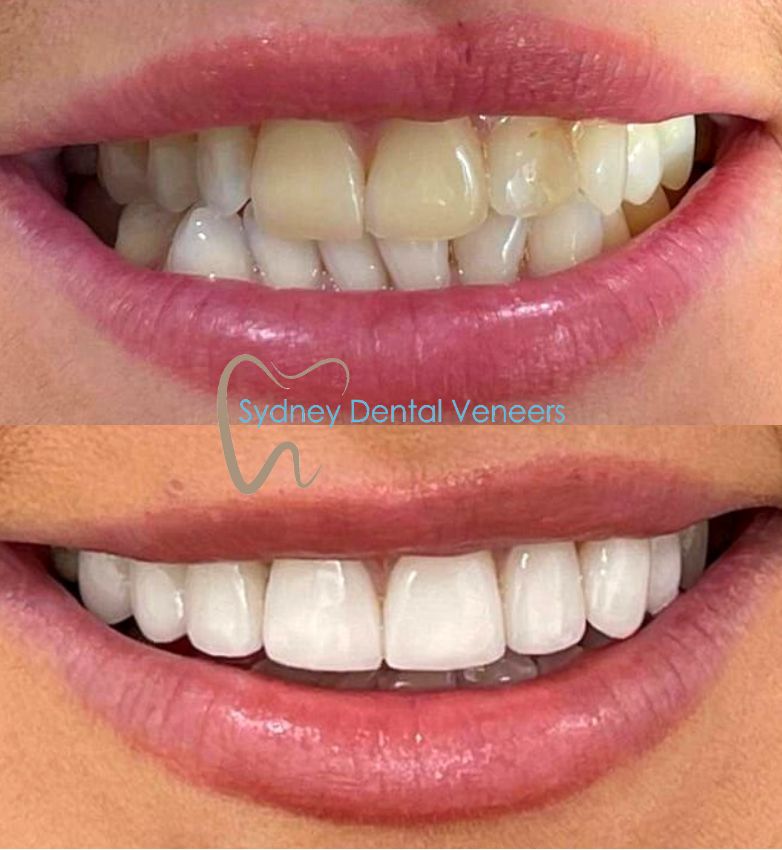
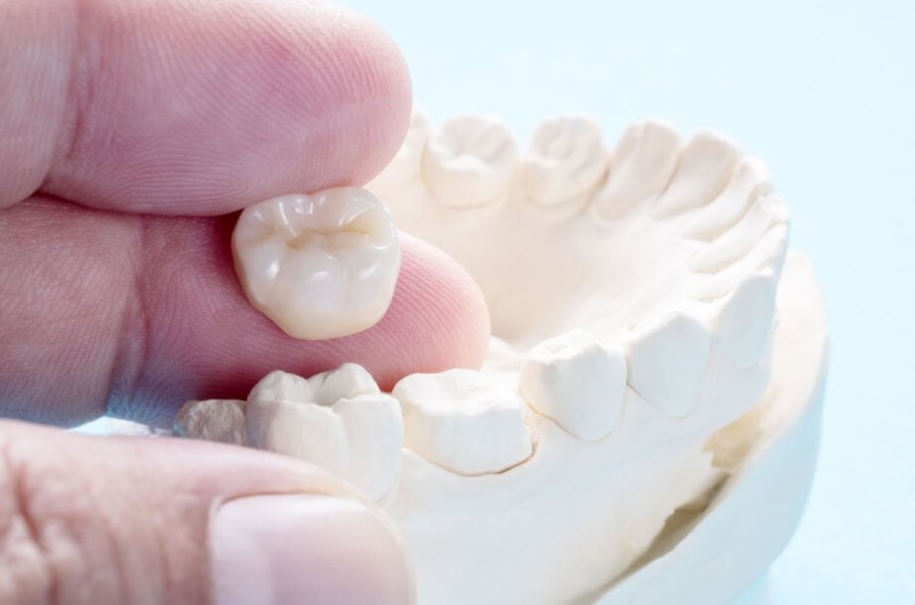
A tooth crown is a custom-made covering that fits over a natural tooth. It is designed to restore the tooth’s shape, strength, and function while providing protection from further damage. Crown teeth are commonly used when a tooth has been compromised by decay, fracture, or previous dental treatment.
Dental crowns do not replace the root of the tooth. Instead, they sit over the remaining tooth structure, reinforcing it and helping the tooth continue to function normally during everyday activities such as chewing and speaking.
1. Tooth Crowns Are a Long-Term, Fixed Dental Restoration
One important aspect of a tooth crown to understand is that it is considered a long-term dental treatment. The tooth crown procedure involves reshaping the natural tooth to allow space for the crown material.
During preparation, the dentist carefully reduces the tooth structure around its circumference so the crown can fit securely and comfortably. Once placed, the crown is cemented in position and is not intended to be removed by the patient.
Because part of the natural tooth is permanently altered during preparation, a crown tooth should be considered a long-term solution. If a crown needs replacement in the future due to wear or changes to the tooth underneath, a new crown is generally required.
2. Tooth Crowns Can Address a Range of Dental Concerns
Tooth crowns are used for a variety of clinical purposes, depending on the condition of the tooth. While crowns may improve the appearance of a tooth, their primary function is to restore strength and protect the remaining tooth structure.
A dentist may recommend a crown tooth to:
Protect a tooth with extensive decay
Restore a tooth that has fractured or worn down
Strengthen a tooth following root canal treatment
Restore function and appearance to a dental implant
Improve the shape or size of a tooth when clinically appropriate
Each recommendation is based on a thorough assessment of oral health and individual dental needs.
3. Tooth Crown Materials Are Selected Based on Clinical Requirements
There are several materials available for dental crowns, and the most suitable option depends on factors such as tooth location, bite forces, aesthetic considerations, and patient preferences.
Common Tooth Crown Materials
Gold or metal alloys
Metal crowns are known for their durability and resistance to wear. They are often used for molars where strength is a priority.
Porcelain-fused-to-metal (PFM)
These crowns combine a metal base with a porcelain outer layer, offering both strength and a tooth-coloured appearance.
All-porcelain or all-ceramic crowns
These crowns are metal-free and designed to closely resemble natural teeth. They are commonly used for front teeth or visible areas of the mouth.
A qualified dentist will explain the advantages and limitations of each option to help determine the most appropriate crown tooth for your situation.
4. Understanding the Tooth Crown Procedure
The tooth crown procedure usually involves several steps and may require more than one appointment.
The process typically includes:
A comprehensive dental examination
Preparation of the tooth to accommodate the crown
Dental impressions or digital scans
Placement of a temporary crown
Cementation of the final crown and bite adjustment
The exact process may vary depending on the complexity of the case and the materials used. Your dentist will explain the procedure and answer any questions before treatment begins.
5. Caring for a Crown Tooth
Maintenance of a crown tooth is similar to caring for natural teeth. Although the crown itself cannot decay, the tooth underneath and surrounding gums still require regular care.
Recommended care includes:
Brushing twice daily with fluoride toothpaste
Flossing carefully around the crown
Attending regular dental check-ups and professional cleans
Avoiding habits such as biting hard objects
Managing teeth grinding if present
Good oral hygiene supports the longevity of both the crown and the natural tooth beneath it.
How Long Can a Tooth Crown Last?
The lifespan of a tooth crown varies between individuals. Factors such as oral hygiene, crown material, bite alignment, and lifestyle habits can influence how long a crown remains functional.
With appropriate care and regular dental reviews, many crowns can function well for many years. However, crowns are not permanent and may eventually require replacement due to wear or changes in the underlying tooth.
Is a Tooth Crown the Right Treatment for You?
Not every damaged tooth requires a crown. A detailed examination is essential to determine whether a crown tooth is the most suitable option. Your dentist will assess tooth structure, oral health, and functional needs before recommending treatment.
At Sydney Dental Veneers, dental crown treatments are provided by qualified and experienced dentists who take a comprehensive and patient-focused approach to care. Treatment recommendations are based on clinical assessment and individual needs, ensuring patients receive appropriate advice and guidance.
Speak With a Qualified Dentist in Sydney
If you have been advised to consider a tooth crown or would like more information about the tooth crown procedure, a professional consultation is the best way to receive personalised advice.
To learn more or to discuss whether a crown tooth may be suitable for your dental needs, you may consider arranging a consultation with the qualified dentists at Sydney Dental Veneers, who can assess your oral health and explain suitable treatment options.