
Composite Veneers Before and After:
What to Expect and How the Treatment Works
Composite veneers use tooth-coloured resin to change the appearance of selected teeth. Before-and-after examples show individual outcomes and cannot predict your result.
Preparation varies between teeth. Any enamel removal is irreversible, and staining, chipping or wear can lead to further treatment.
If you are considering composite veneers Sydney, understanding how the procedure works, what it can and cannot do, and how to care for your veneers will help you make an informed decision.
Below, we outline the purpose of composite veneers, what to expect before and after treatment, factors that influence results, and general guidelines that dentists may discuss with you during your consultation.
What Are Composite Veneers?
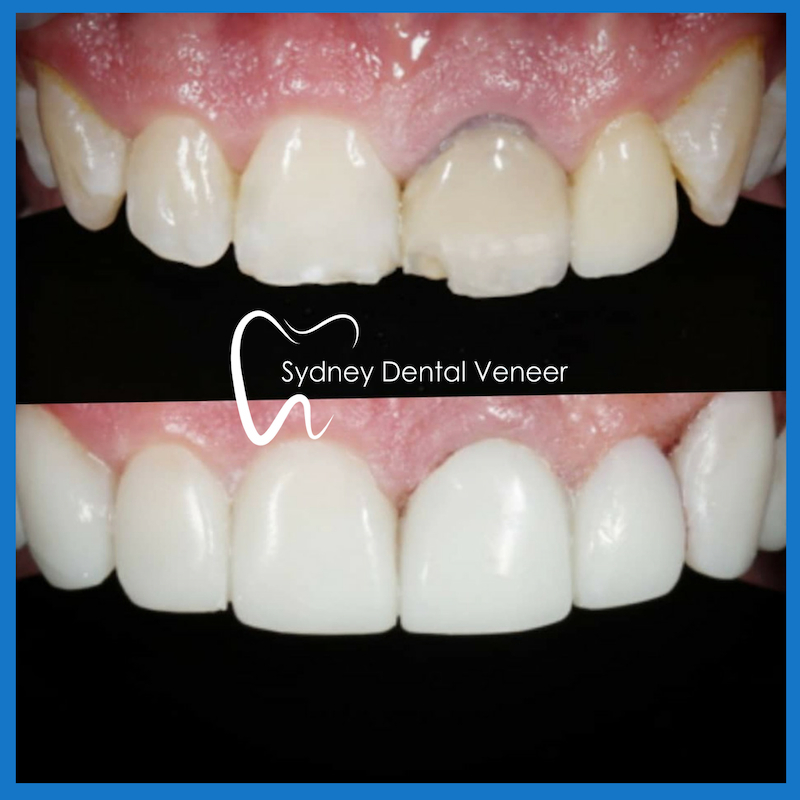
Composite veneers are thin layers of tooth-coloured resin material placed on the front surfaces of the teeth. The goal of this treatment is to improve the appearance of teeth by modifying characteristics such as:
The shape of the teeth
Minor size differences
The appearance of tooth discolouration
Small gaps or spaces
Slight irregularities in the surface of the enamel
Unlike some other veneer types, composite veneers are typically applied directly by the dentist in-chair. The material is shaped and polished with the surrounding teeth in mind; the final appearance varies.
Many patients look at composite veneers before and after photos to help visualise potential aesthetic changes. Results vary and are not a prediction of your outcome. All procedures carry risks. Discuss the risks, limitations and alternatives with your dentist before deciding on treatment.
What to Expect Before Getting Composite Veneers
Your journey usually begins with a dental consultation, where your dentist will assess whether composite veneers are suitable for your needs. This appointment may include:
1. A Discussion of Your Goals
You may talk about the aspects of your smile you would like to improve, such as the colour of your teeth, minor misalignment, shape, or uneven edges. This helps the dentist determine if veneers teeth are appropriate or if another treatment would be more suitable.
2. Oral Health Evaluation
Composite veneers are generally recommended for individuals with stable oral health. Your dentist may check for decay, gum health concerns, enamel condition, and bite alignment before planning cosmetic treatment.
3. Treatment Planning
If you are a suitable candidate, your dentist will explain how composite veneers work, what the procedure involves, what maintenance is needed, and how factors such as lifestyle habits may affect longevity.
Use the consultation to ask about risks, limitations, aftercare and alternatives, including no cosmetic treatment. Photographs of another person cannot establish what your result will be.
The Composite Veneers Procedure
The treatment process depends on your teeth and the planned care. Your dentist will explain the stages and risks before you decide:
1. Tooth Preparation
Preparation depends on the tooth and proposed restoration. Any enamel removed cannot grow back. Ask how preparation compares with other types of dental veneers.
2. Layering of Composite Material
Your dentist applies the composite resin in layers, shaping it according to the treatment plan. The resin is then cured (hardened) using a special light.
3. Refining and Polishing
Once the resin has set, your dentist shapes and polishes it and checks your bite. The final appearance and fit are assessed individually.
Your dentist will explain aftercare and when to return for review. Veneers may need adjustment, repair or replacement.
Composite Veneers Before and After: Setting Realistic Expectations
Before-and-after photographs show individual outcomes. They cannot establish suitability or predict your result. Consider the following when discussing treatment:
Every smile is unique
Tooth anatomy influences the final look
Gum health plays a role
Composite resin has different characteristics from porcelain
Lighting, camera angles, and photography conditions may affect how photos appear
Your dentist can guide you on what is achievable for your specific circumstances, helping you understand realistic outcomes based on your teeth.
Composite Veneers Sydney: Factors That Influence Cost
If you are exploring composite veneers Sydney, you may also be curious about cost considerations. The composite veneers cost generally depends on several factors, including:
The number of teeth being treated
The complexity of the case
The materials used
The dentist’s clinical time
Any additional assessments or preliminary treatments
At Sydney Dental Veneers, the composite veneers cost starts from $30/week with interest free payment plan. Your dentist can provide a personalised quote after assessing your smile and discussing your goals.
Are Composite Veneers Right for You?
Composite veneers may be considered after assessing your teeth, gums and bite. They can change the appearance of selected teeth in situations such as:
Mild tooth discolouration
Slight gaps
Minor shape concerns
Small chips or enamel irregularities
The best way to determine suitability is through a professional consultation. Your dentist will assess your oral health, listen to your concerns, and guide you through the potential benefits, risks, limitations and alternatives to composite veneers.
Book a Free Consultation
If you are considering composite veneers, arrange a consultation to discuss suitability, preparation, risks, maintenance and alternatives. Take time to consider the information and ask questions before deciding whether to proceed.