
What Are All-on-X Dental Implants?
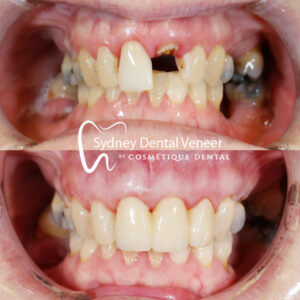
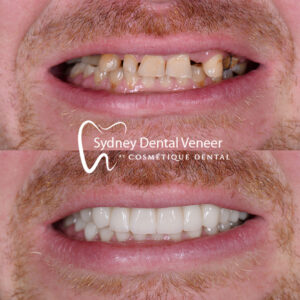
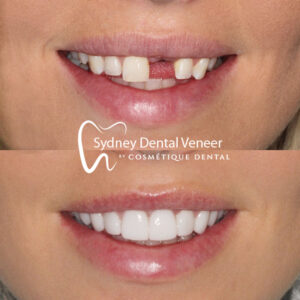
All-on-X uses a planned number of dental implants to support a fixed bridge replacing a full arch of teeth. Depending on your needs, treatment may involve the upper arch, lower arch or both. An assessment of your remaining teeth, gums, bone and health helps determine whether this approach or another option is appropriate.

What Full Arch Implants Can Offer
An Alternative to Removable Dentures
A bridge that stays in place for everyday use.
Replacement teeth shaped around your treatment plan.
Several teeth supported by a planned number of implants.
Support for biting and chewing after healing.
Bone grafting assessed according to your anatomy.
A cleaning routine tailored to the bridge and implants.
Temporary teeth may be possible during healing in selected cases.
Regular reviews to assess implant and gum health.
A Restoration Planned Around Your Mouth
Bridge contours planned for your jaw and available space.
Tooth and gum appearance discussed during planning.
Access for cleaning around the implants considered.
Bite relationships checked during fitting and follow-up.
Materials and ongoing maintenance explained before treatment.
Understand Your Options for Missing Teeth
New and existing patients considering All-on-X can book a complimentary cosmetic consultation with a cosmetic dentist at Sydney Dental Veneers | Cosmetique Dental. Scans, photographs and X-rays are included where clinically necessary. Discuss suitability, alternatives, risks and costs, with no obligation to proceed with treatment.
Explore Other Dental Implant Options
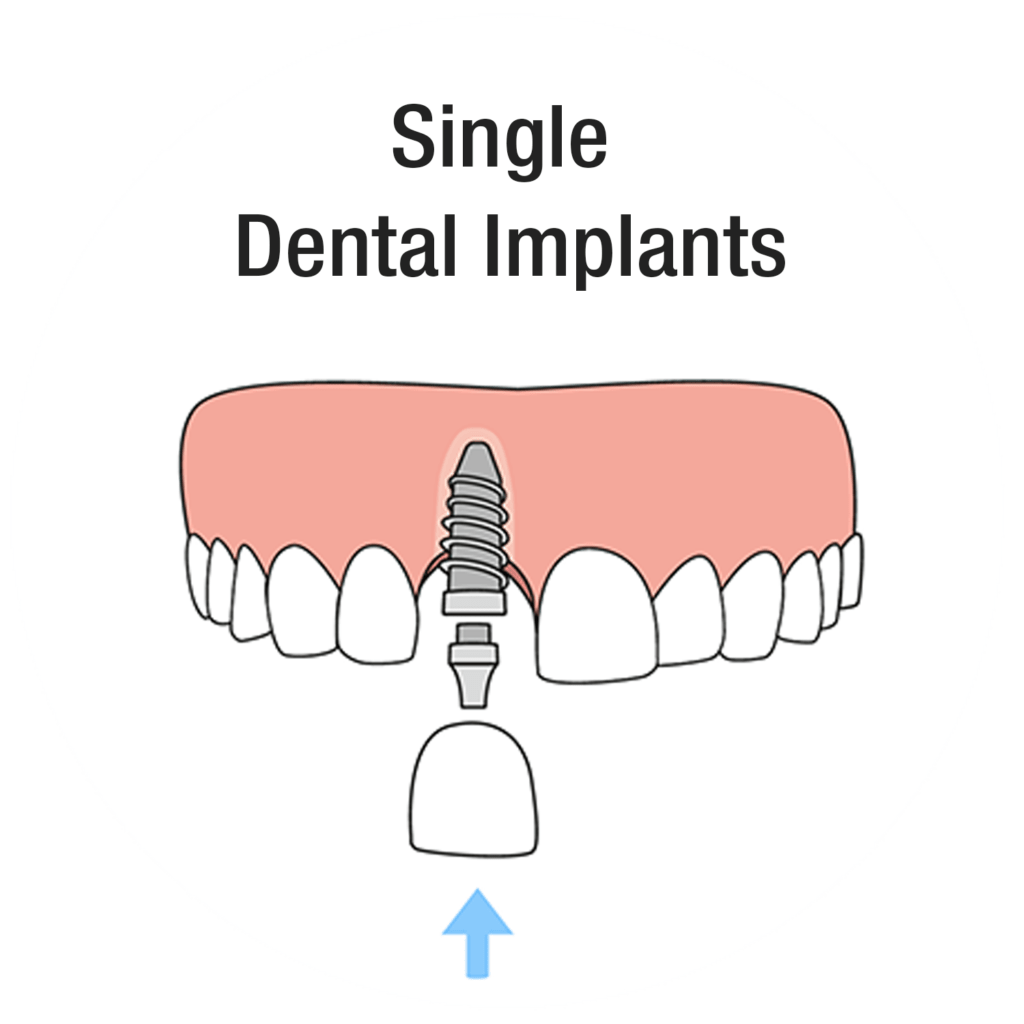
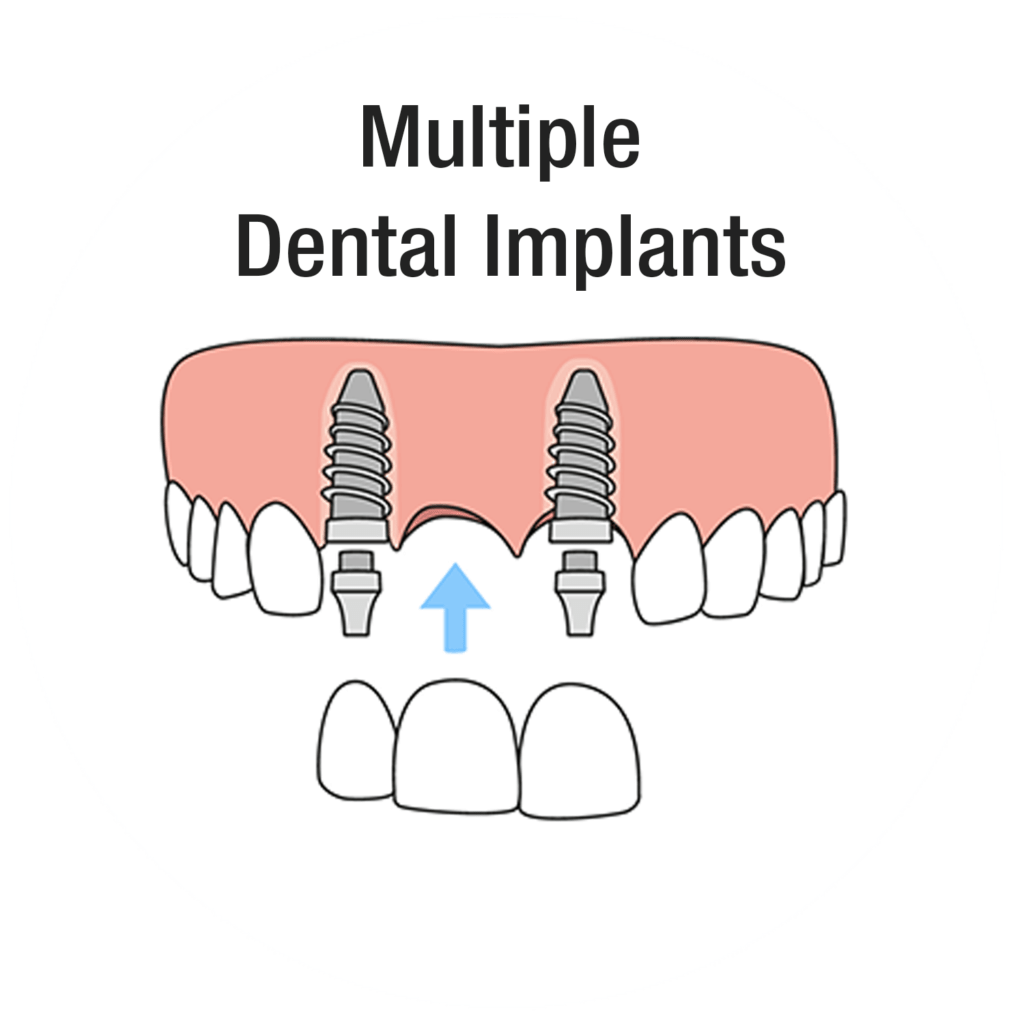
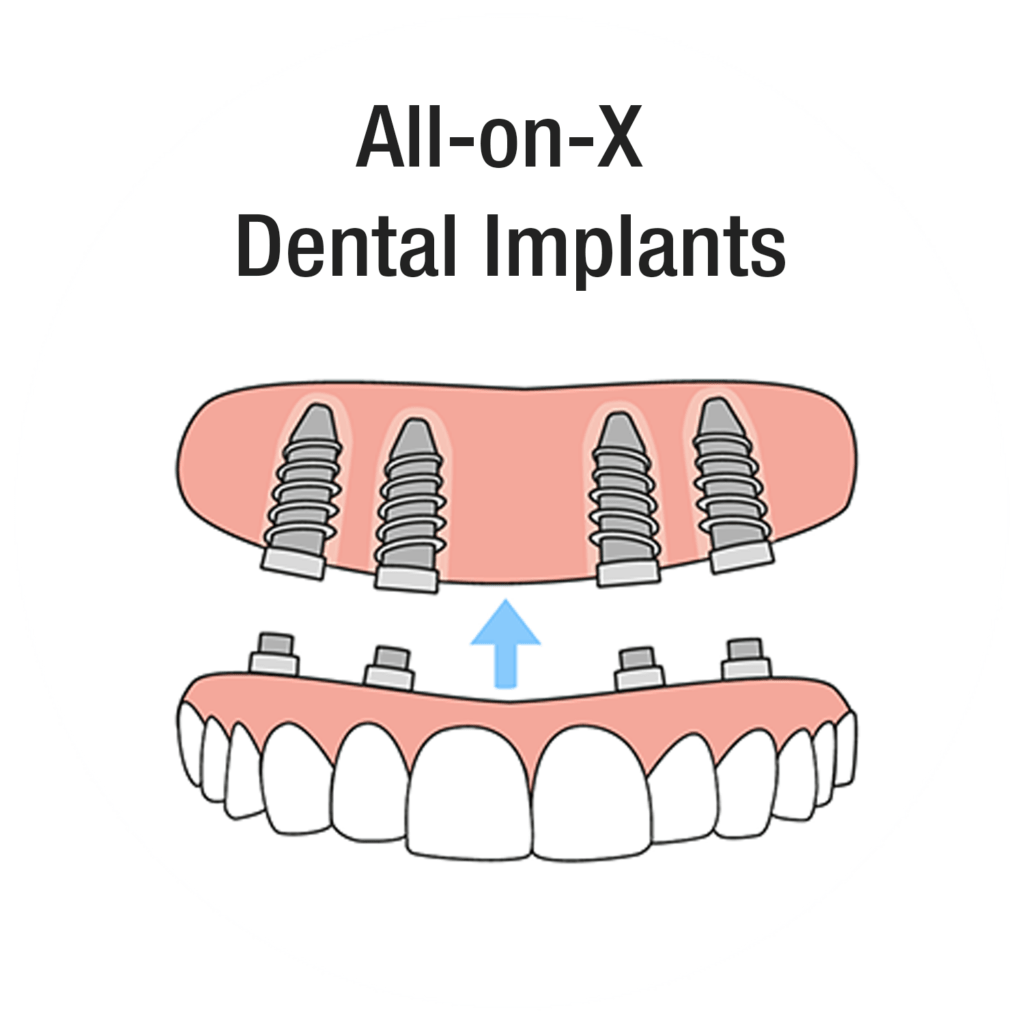
All-on-X Treatment Planning in Sydney CBD
All-on-X may be considered when most or all teeth in an arch are missing or cannot be predictably maintained. It is one option alongside other implant restorations and removable dentures. Existing teeth should be assessed individually before any extraction is recommended.
A Clear Plan Before Implant Treatment
Full arch treatment involves surgery, a staged restoration and ongoing care. Our Sydney CBD team will explain the assessment process and who will provide each part of your care, including any referral required.
Your planning discussion should cover:
Clinical assessment — review of your remaining teeth, gums, jawbone, bite and medical history.
Realistic expectations — likely benefits, limitations, risks and alternatives relevant to your case.
A personalised sequence — proposed extractions, implant placement, temporary teeth and final restoration.
Costs and maintenance — a written estimate, expected healing time and care for your implants and bridge.
Book a Complimentary Cosmetic Consultation
Compare the Benefits & Limitations
Fixed Replacement Teeth
A fixed implant bridge stays in place during everyday use and can support chewing and speech. It needs a specific cleaning routine and professional maintenance. It is an artificial restoration, so it will feel different from natural teeth and may take time to get used to.
Temporary Teeth During Healing
Some patients can have a temporary bridge fitted soon after implant placement. This depends on implant stability, bone and other clinical factors. It does not mean healing is complete: a modified diet, recovery period and later appointments are still needed before final teeth are fitted.
Planned Tooth & Gum Appearance
The size, shape and shade of replacement teeth are discussed as part of the plan. The bridge may also include gum-coloured material. Your dentist will explain the likely appearance and limitations; a preview or temporary restoration cannot guarantee the final result.
A Full Arch Supported by Implants
A full arch bridge can be supported by several implants rather than one implant for each missing tooth. Four or six may be considered, but the number and placement depend on your anatomy and treatment plan. The approach is selected for clinical suitability, not a fixed package count.
Understand the Risks
Implant surgery can involve pain, swelling, infection, nerve or sinus complications and implant failure. Bridges can also chip, wear or need repair. Health conditions, smoking, gum disease and cleaning affect the risks. Your clinician will discuss relevant risks and alternatives before consent.
Jawbone Assessment
The amount and shape of jawbone help determine whether implants are suitable and where they can be placed. Bone grafting may still be needed. Your dentist will explain the findings from any required imaging and how they affect the proposed treatment.
Support Without Denture Adhesive
A fixed bridge attaches to implants and does not rely on denture adhesive. Comfort depends on its design, the bite, healing and ongoing adjustments. Removable dentures remain an appropriate alternative for some people and should be part of the discussion.
Eating After Treatment
An implant bridge can improve chewing compared with an unstable removable denture, but you will need to follow dietary instructions during healing. Your dentist will explain when to progress to different foods and which habits may damage the restoration.
Deciding Whether Treatment Suits You
The decision should reflect your oral health, expectations, ability to maintain the bridge and budget. Take time to compare the treatment stages and alternatives. A complimentary consultation is a starting point for questions; it is not a commitment to surgery.
What Happens During All-on-X Treatment?
Step 1: Assessment & Planning
We begin by discussing your concerns, medical history and expectations, then assess the condition of your teeth, gums and bite.
Your complimentary consultation includes scans, photographs and X-rays where clinically necessary. If additional planning or treatment is recommended beyond the consultation, its purpose and any separate fees will be explained before you decide.
You will receive an explanation of suitable alternatives, risks, timing and proposed costs. This allows you to ask questions and consider the plan before making a decision.
Step 2: Implant Placement & Temporary Teeth
The surgical plan includes appropriate anaesthesia and, where suitable and available, discussion of sedation. The clinician will explain preparation, recovery and the risks of these options.
Implants are placed at the planned positions. If conditions allow, a temporary bridge may be fitted while the implants integrate with the bone. Timing varies and immediate fixed teeth are not suitable for every patient.
Temporary teeth need care and a modified diet during healing. Review appointments check the implants, gums, bite and restoration before the next stage.
Step 3: Final Bridge & Ongoing Care
The final bridge is planned once healing and implant stability allow. The time required varies between patients.
Materials, tooth shape and shade are discussed, and the fit and bite are checked before the bridge is secured. Final restorations can still need future adjustment, repair or replacement.
We will explain cleaning around the implants and under the bridge, maintenance appointments and when to contact the practice if something changes.
All-on-4, All-on-X & Full Mouth Treatment
All-on-4 Dental Implants
All-on-4 describes an approach using four implants to support a full arch of replacement teeth. Implant positions are planned around available bone and other clinical requirements. It is not suitable for everyone.
The implants support a fixed bridge, which needs cleaning and professional review. Some patients need a different number of implants, bone grafting or an alternative restoration.
It may be discussed with:
Adults missing most or all teeth in one arch.
People considering a fixed alternative to removable dentures.
Patients whose remaining teeth have been assessed as unsuitable to retain.
Full Mouth Dental Implants
Full mouth implant treatment refers to replacing teeth in both the upper and lower arches. A plan may involve full arch bridges or other implant-supported restorations, depending on the teeth and bone available.
The two arches need to work together, so planning considers the bite, appearance, cleaning access and long-term maintenance. Treatment can be staged and is tailored to the individual.
It may be discussed with:
Adults with extensive tooth loss affecting both arches.
People comparing fixed and removable replacement options.
Patients willing and able to maintain the implants and restorations.
Plan the Costs of Full Arch Implant Treatment
Full arch dental implant treatment is a significant financial decision. Ask for a written plan that sets out each stage and its cost.
Your estimate should identify the proposed implants, bridge, any extractions or grafting, anaesthesia and follow-up care. Confirm what future maintenance may involve.
Our team can explain the payment methods and any finance options currently available, so you can compare the total cost before deciding.
Payment Plans
Ask about current providers, eligibility, deposit requirements, interest, fees and repayment periods. An instalment figure should be considered alongside the total amount payable and the provider’s full terms.
Early Access to Superannuation
Compassionate release of superannuation is subject to the Australian Taxation Office’s eligibility rules and approval. Cosmetic treatment alone does not establish eligibility. Consider the effect on your retirement savings and seek independent advice before applying.
Other Payment Options
Ask which payment methods the practice accepts and whether treatment can be staged clinically and financially. Finance approval is separate from clinical suitability.
Book a complimentary cosmetic consultation to discuss the treatment you are considering and the next steps towards a personalised assessment and written quotation.