Understanding Dental Crowns:
When They Are Recommended and What They Can Do
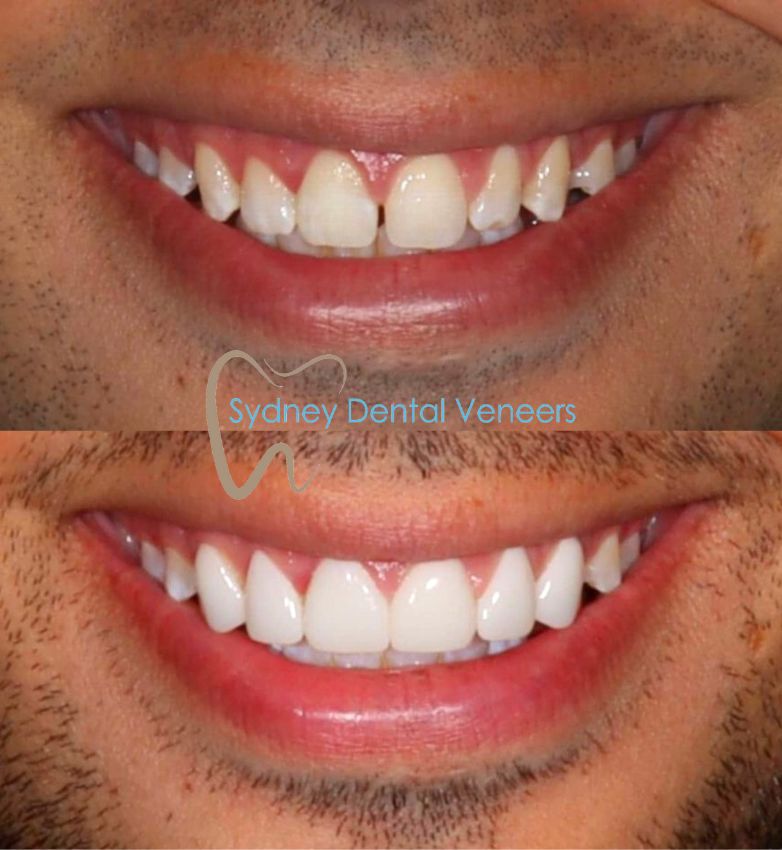
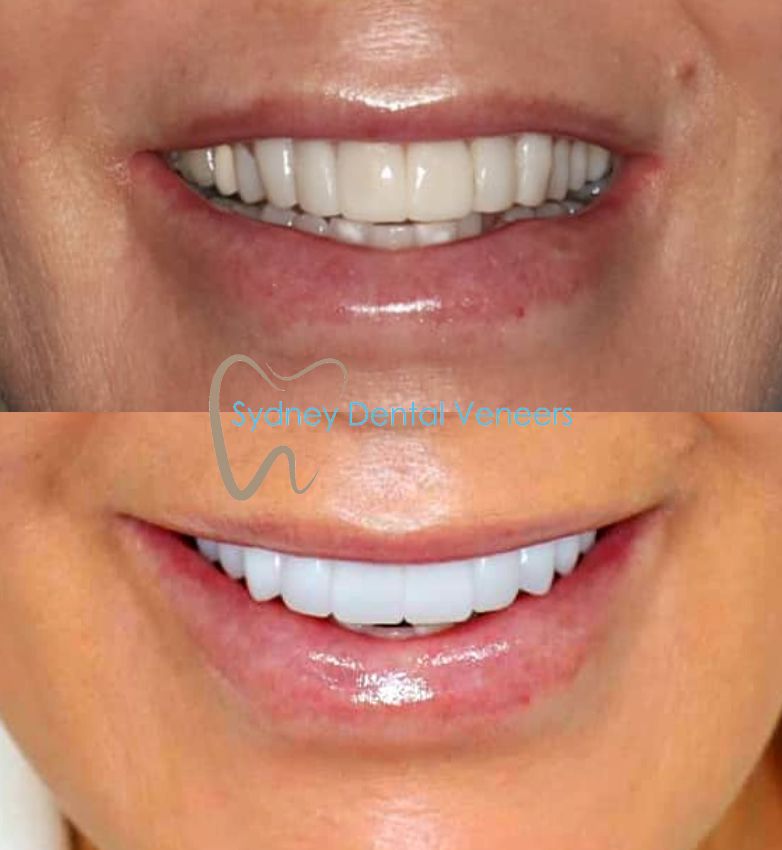
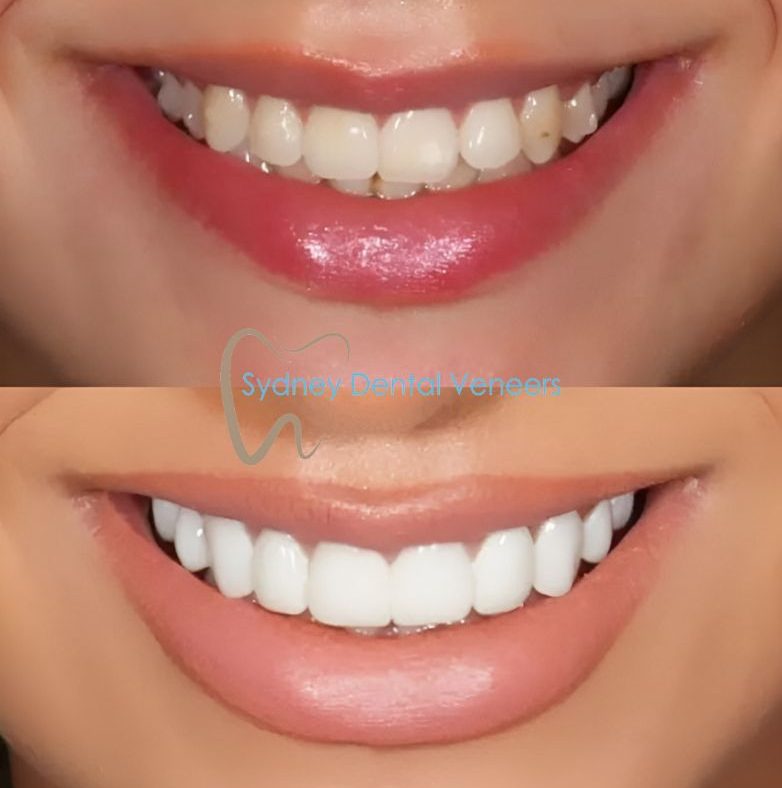
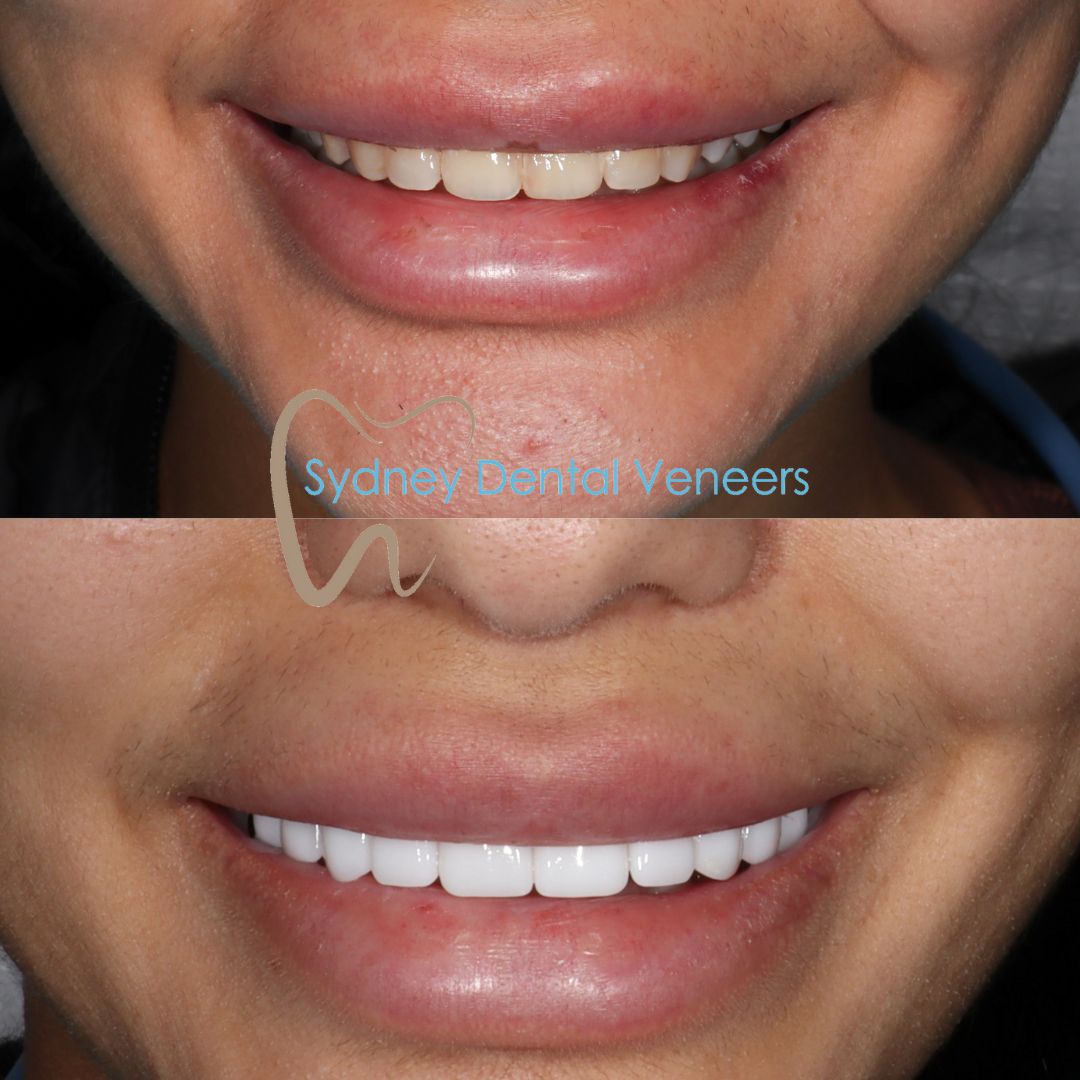
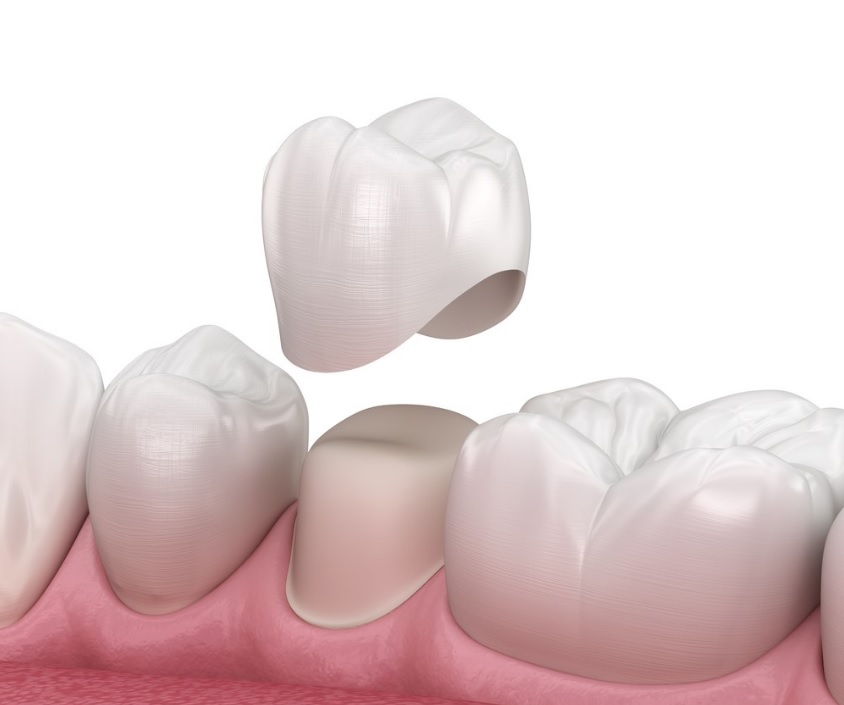
A dental crown is a commonly used dental restoration designed to protect and strengthen a tooth. It is often described as a “cap” because it sits over the entire visible portion of the tooth, restoring its shape, size, colour, and function. Dental crowns can be made from a range of materials, including porcelain, ceramic, metal alloys, zirconia, and in some cases a combination of materials. The choice of crown material depends on the patient’s needs, the location of the tooth, and the professional judgement of the treating clinician.
Many people first hear about dental crowns when they have been advised that their tooth has been weakened or damaged. Sometimes, patients also become curious about crowns teeth when they learn that these restorations are used together with other procedures, such as implants or root canal therapy. Because a dental crown is a long-term treatment, understanding why it may be recommended can help you make an informed decision about your oral health.
Below are some of the most common reasons a dentist may recommend a tooth crown, along with a deeper look at how dental crowns work and what patients can expect.
1. Managing a Tooth with Extensive Decay or Structural Damage
A tooth can weaken over time due to decay, large fillings, fractures, or general wear. When a tooth loses a significant amount of structure, it may no longer be strong enough to function normally without additional support. Large fillings alone may not always be enough to hold a damaged tooth together.
A dental crown can help stabilise a compromised tooth by covering its surface and supporting the remaining structure. The aim is to protect the weakened tooth from further wear or breakage. In many cases, providing this type of coverage can help prevent the need for more extensive treatment later on, including the possibility of extraction if the damage worsens.
Depending on the case, your dentist may also reinforce the tooth with a core or post before placing the crown to ensure that it can withstand daily chewing forces.
2. Strengthening a Tooth After Root Canal Treatment
A root canal is performed when a tooth has developed infection or inflammation inside its pulp. This process involves removing the infected tissue, cleaning the canals, and sealing them. While root canal therapy can preserve a natural tooth, it does involve removing part of the internal structure.
Afterwards, the tooth may become more brittle and susceptible to fractures. For this reason, dentists often recommend a tooth crown following major root canal treatment—especially when the tooth involved is a molar or premolar, which are relied on for heavy chewing.
A crown placed over a root-canal-treated tooth serves two important purposes:
It protects the remaining structure from cracking or breaking.
It restores the function and appearance of the tooth.
Not every root canal requires a crown, as the decision depends on the level of remaining tooth structure, the tooth’s position, and your dentist’s assessment. However, for many patients, a crown provides an added layer of long-term protection.
3. Completing a Dental Implant Restoration
A dental implant is a tooth-replacement option that includes an implant fixture, an abutment, and a crown. Once the implant fixture integrates with the bone, a dental crown is attached to restore the function and look of the missing tooth.
For single-tooth implants, the crown is the visible part that blends with the rest of the teeth. It is designed to:
Match the colour and shape of surrounding teeth
Restore chewing ability
Provide a natural-looking replacement that fills the space left by a missing tooth
Your dentist may discuss different material options depending on whether the implant crown will be placed at the front of the mouth or in a back tooth where strength is more of a factor.
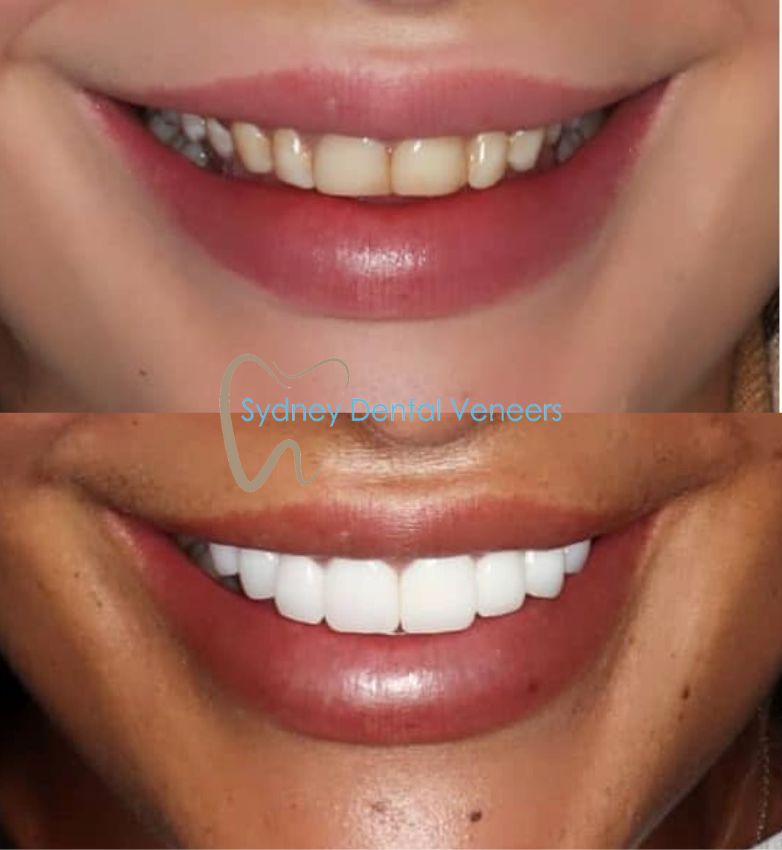
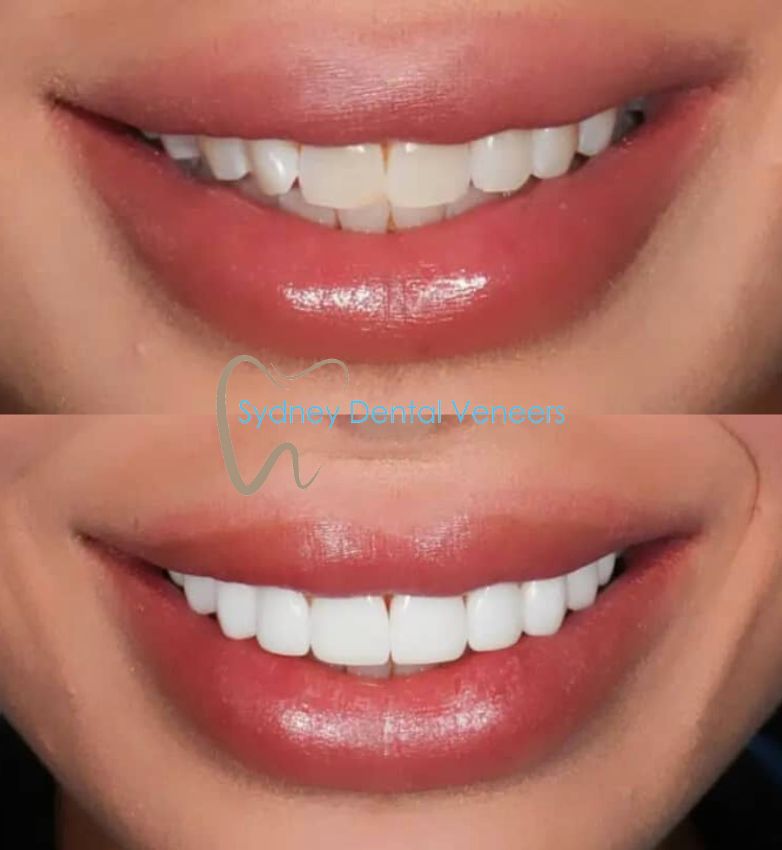
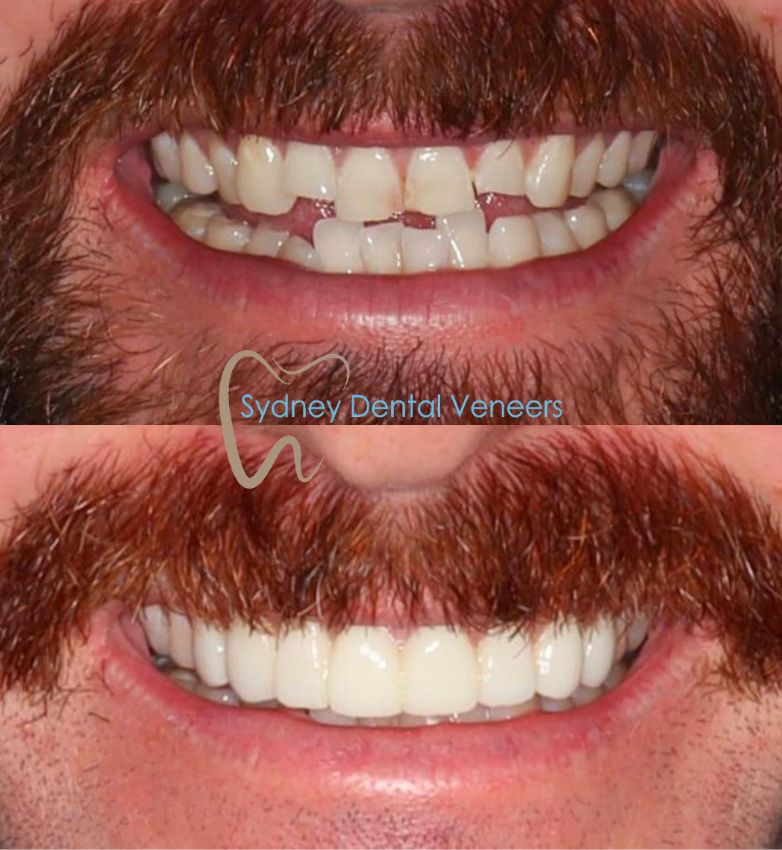
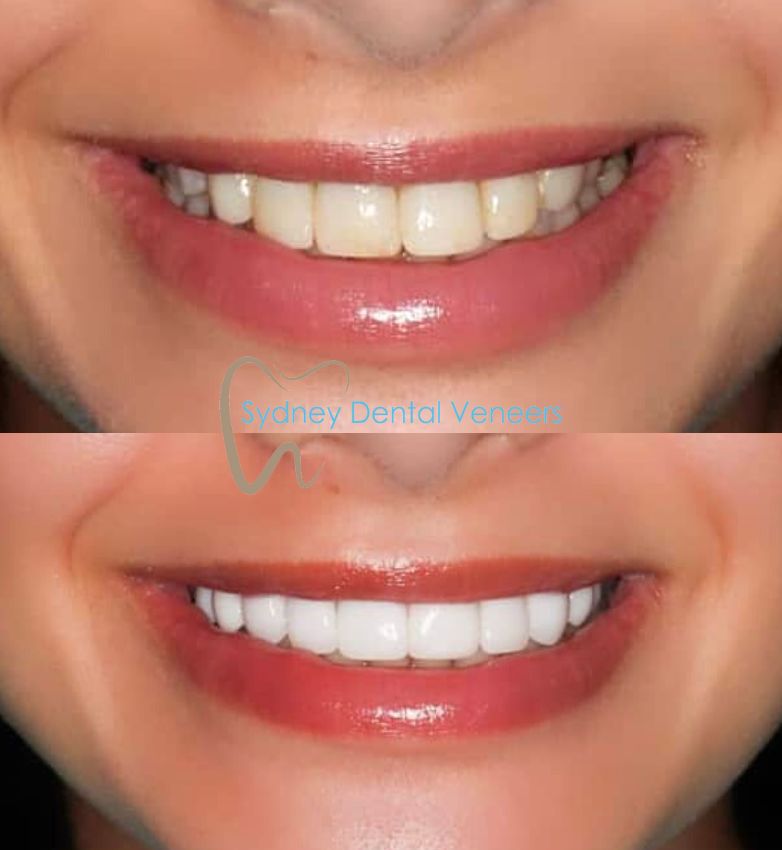
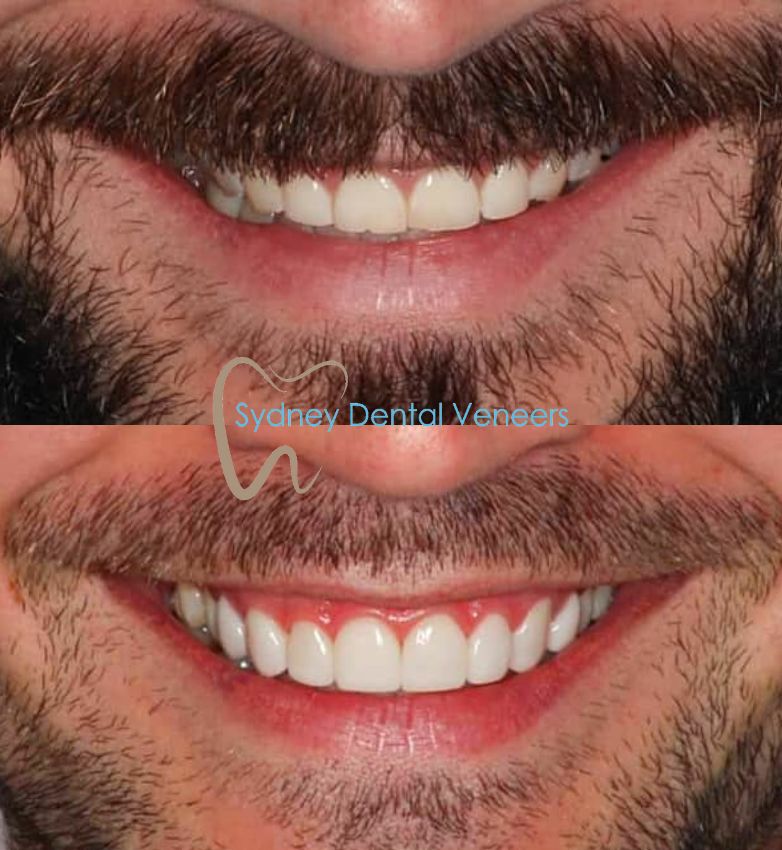
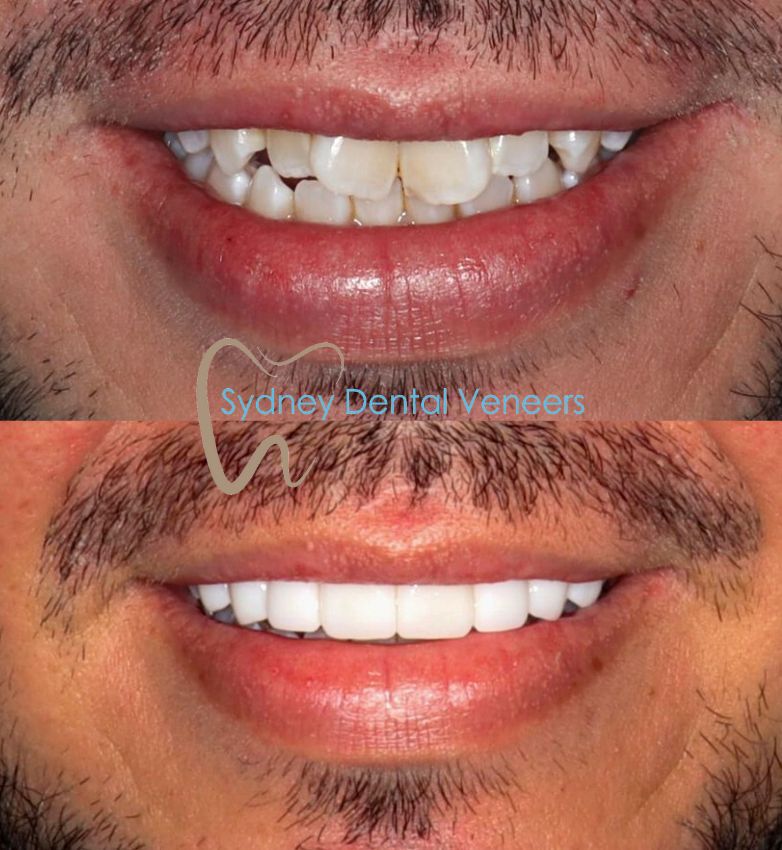
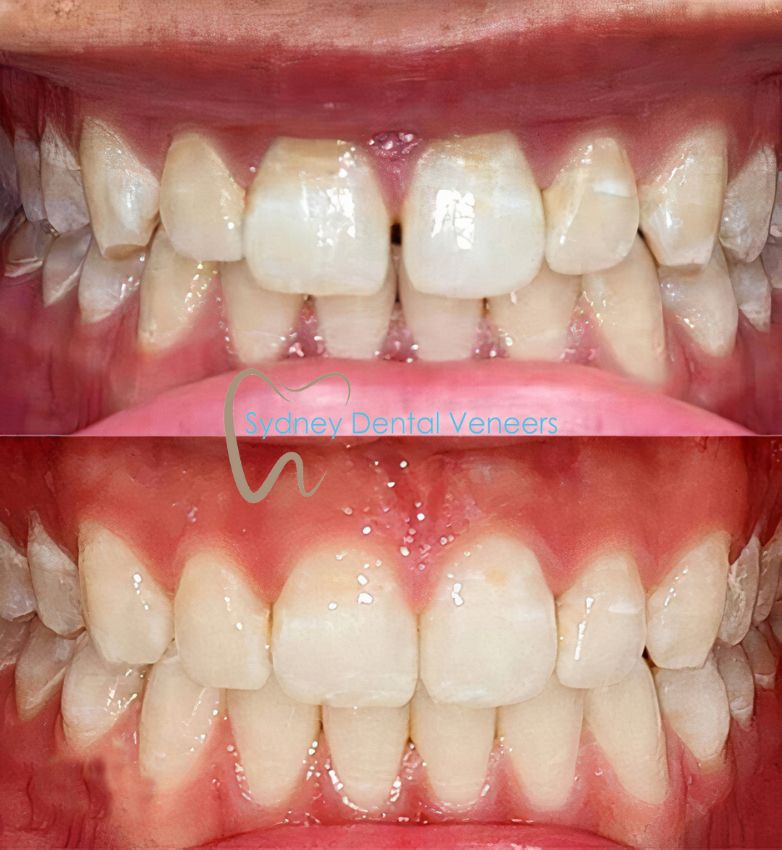
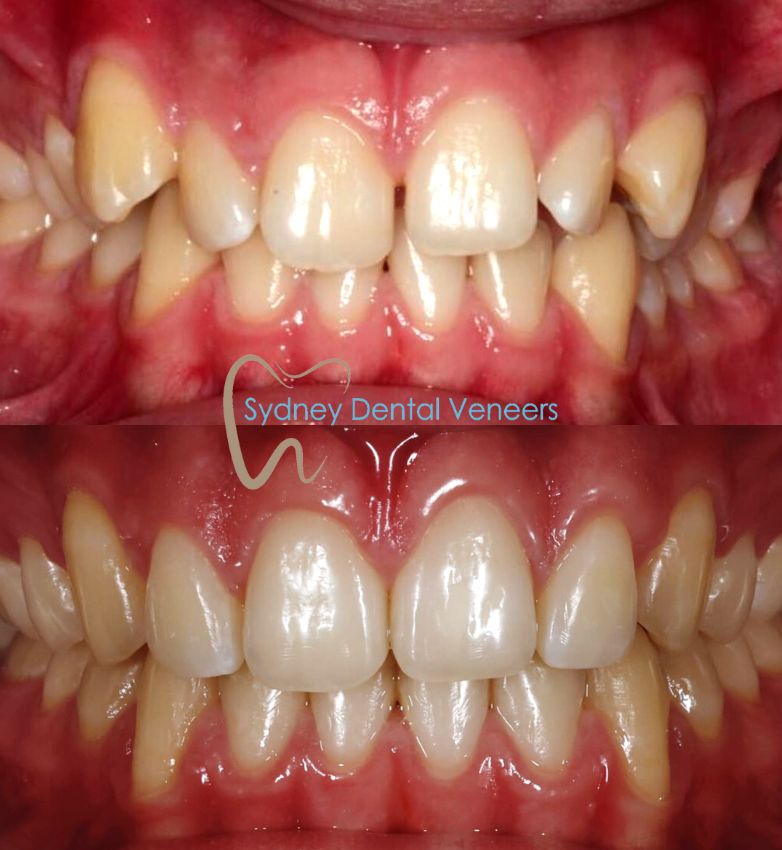
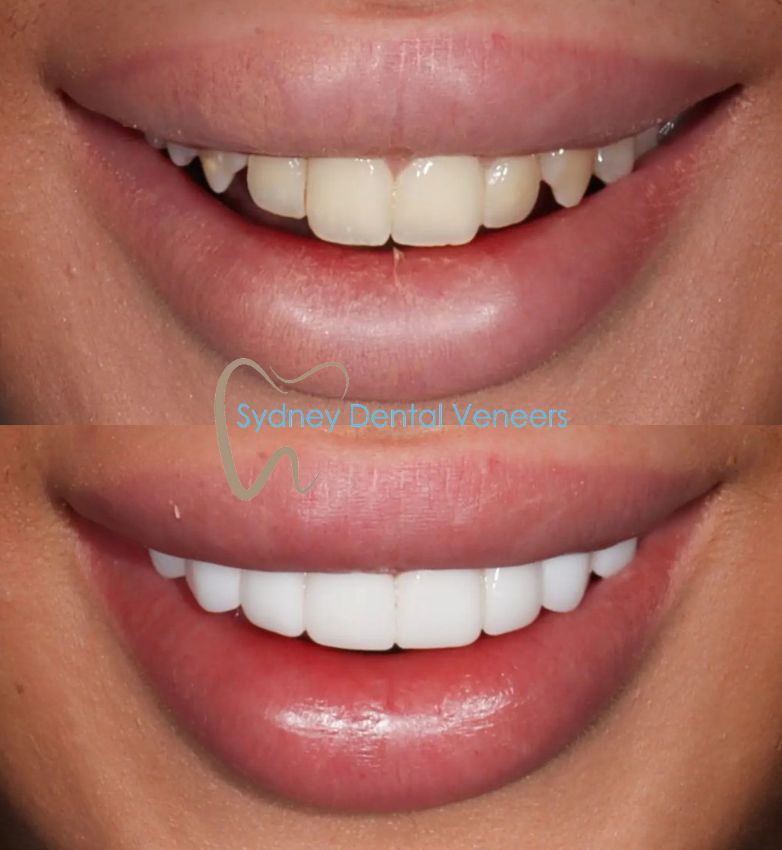
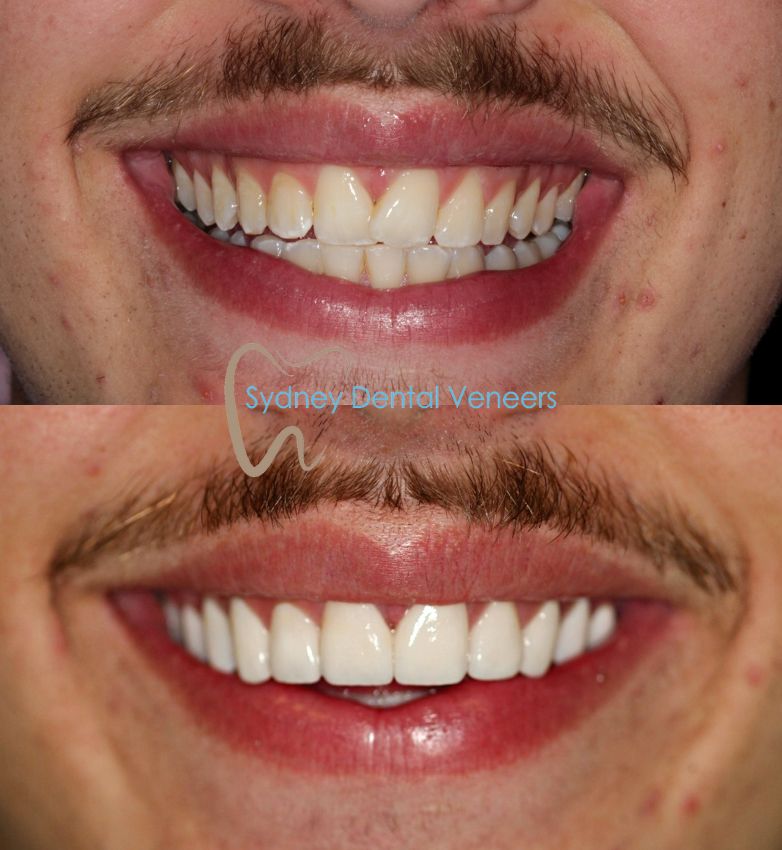
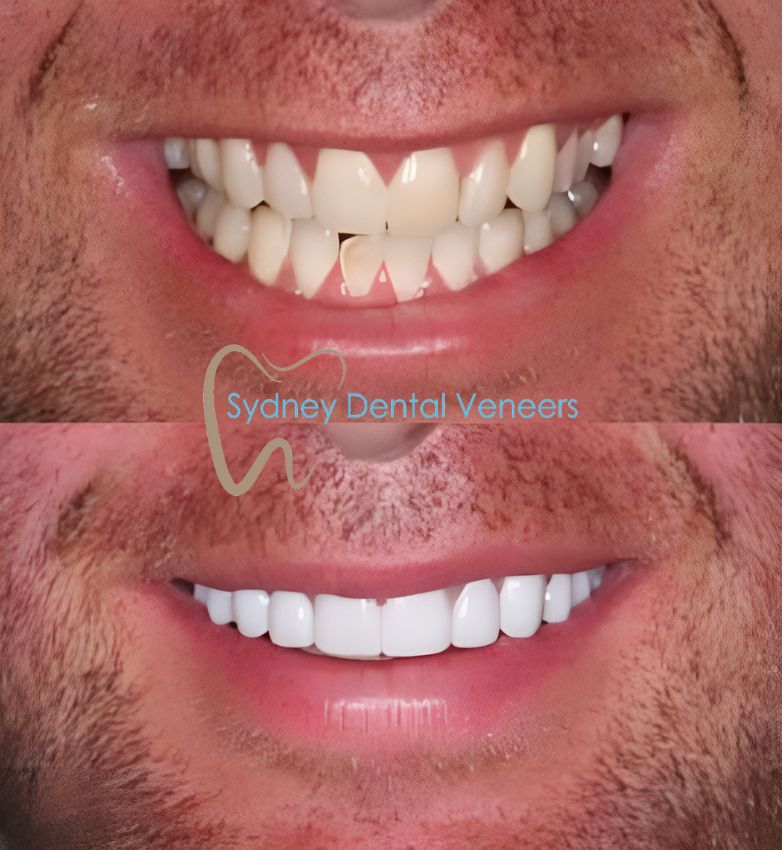
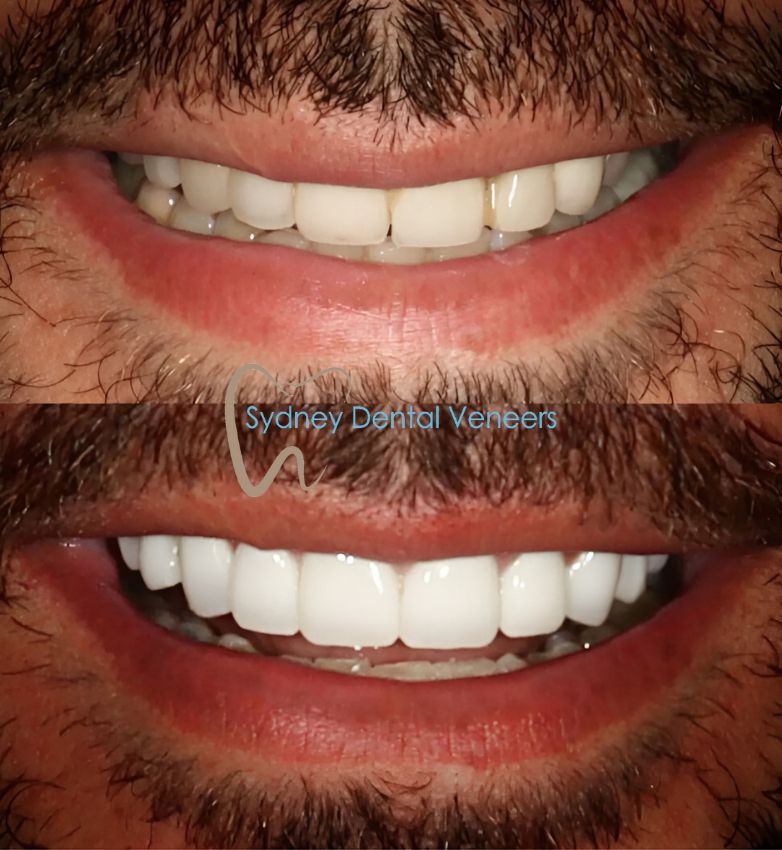
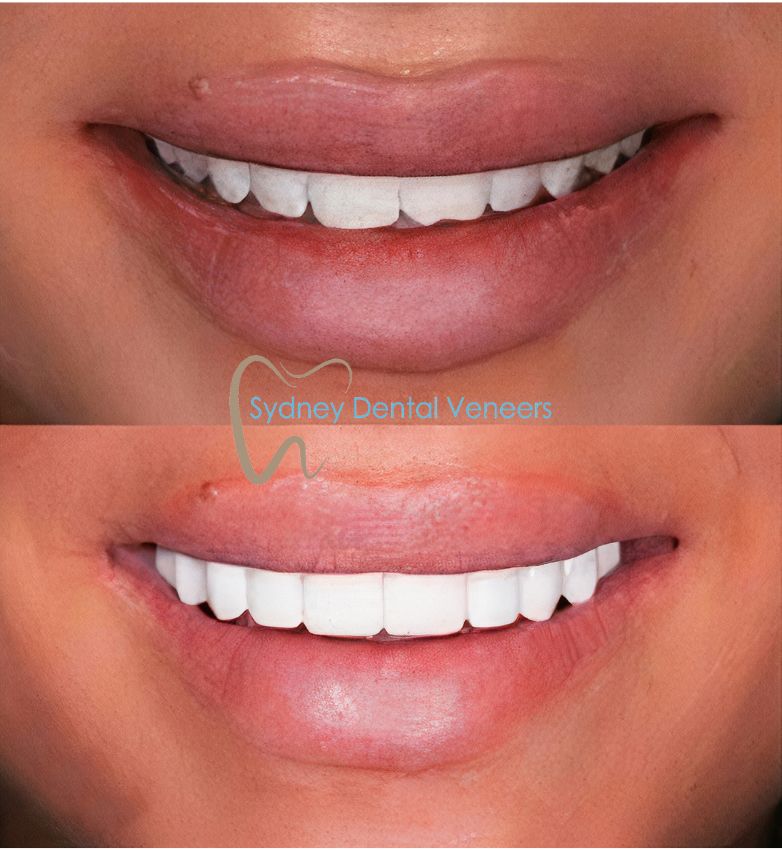
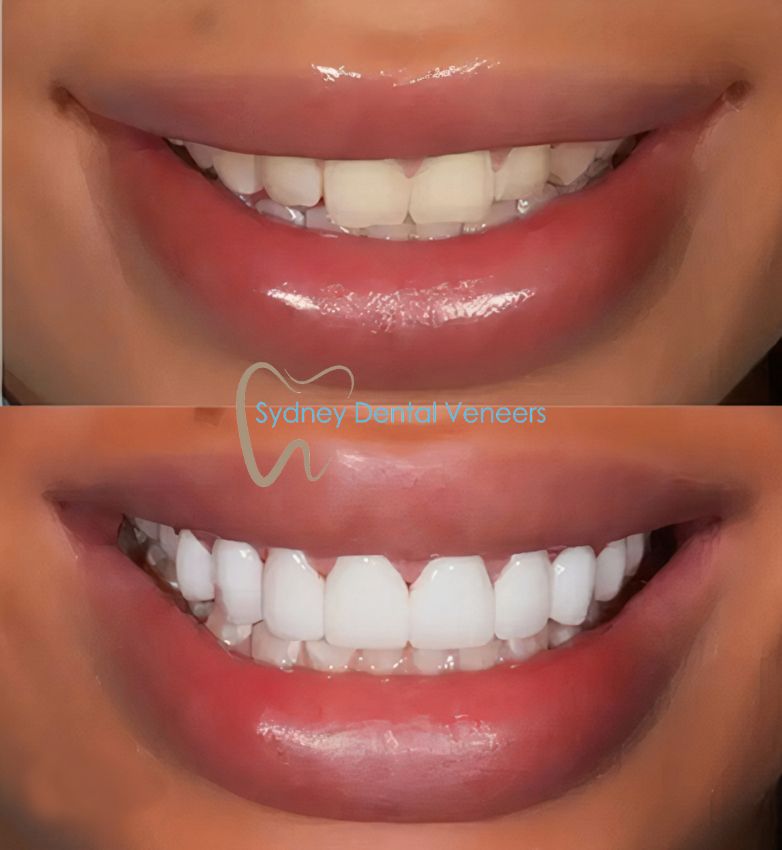
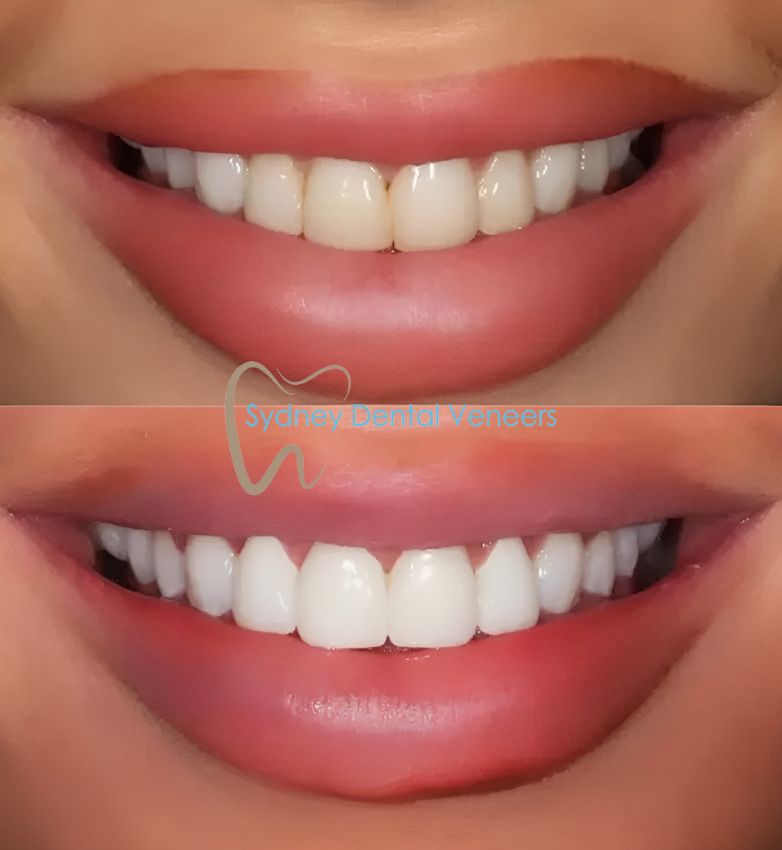
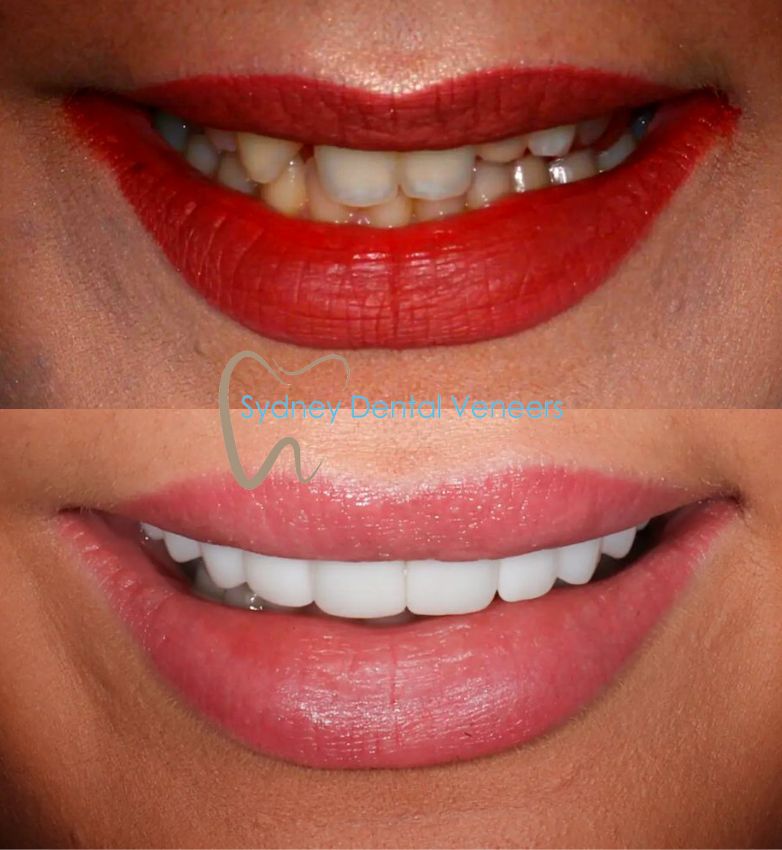
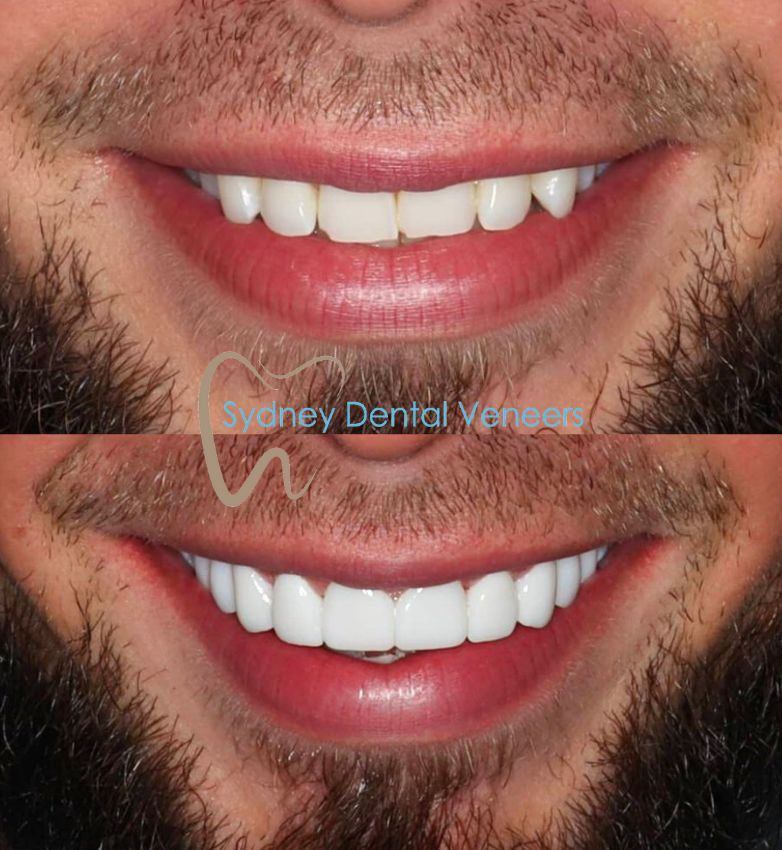
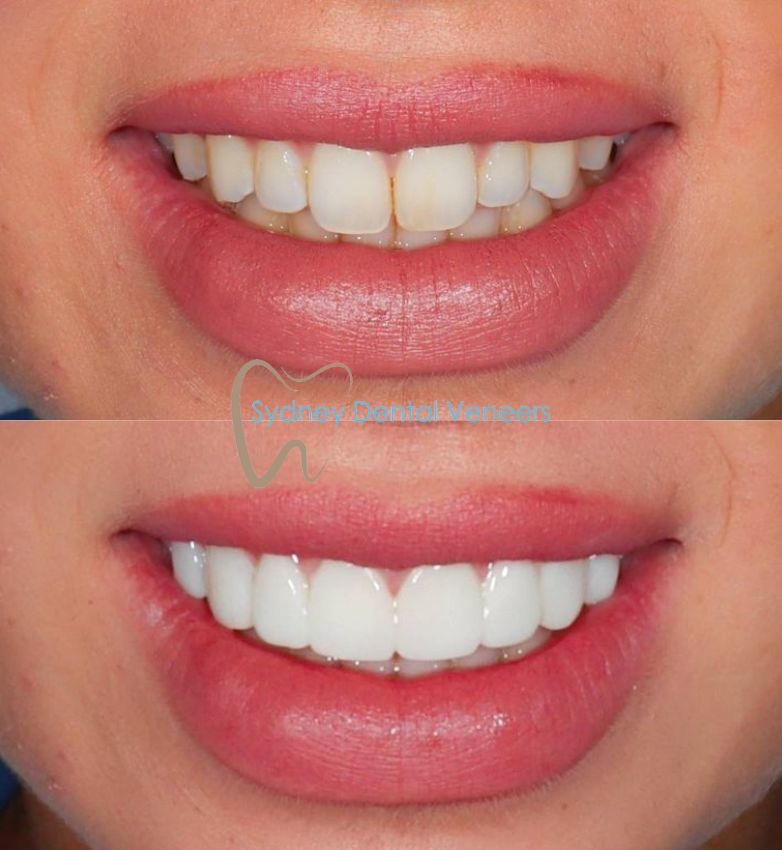
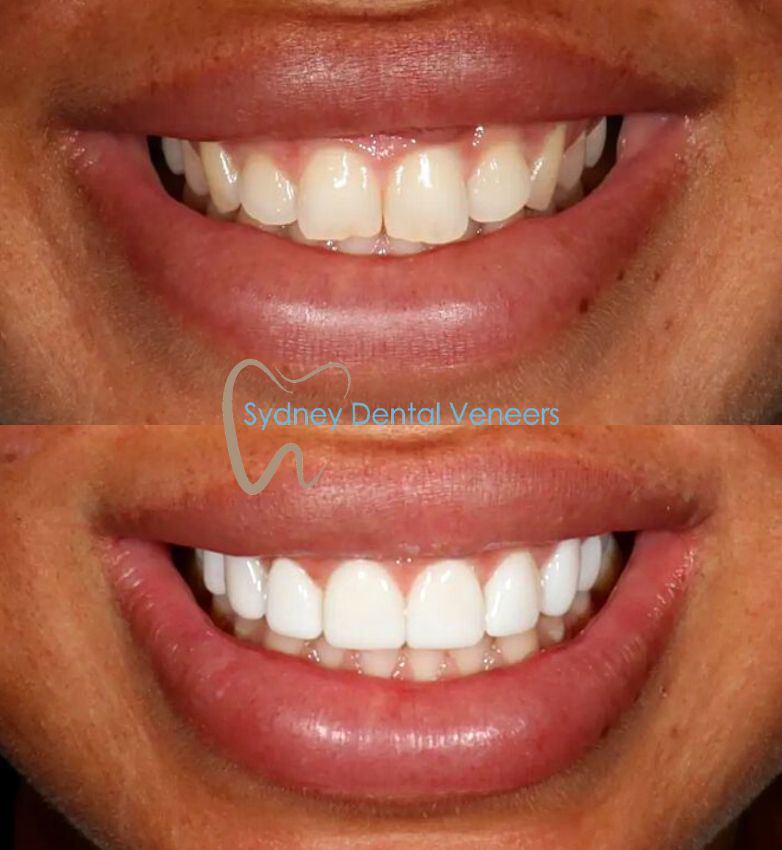
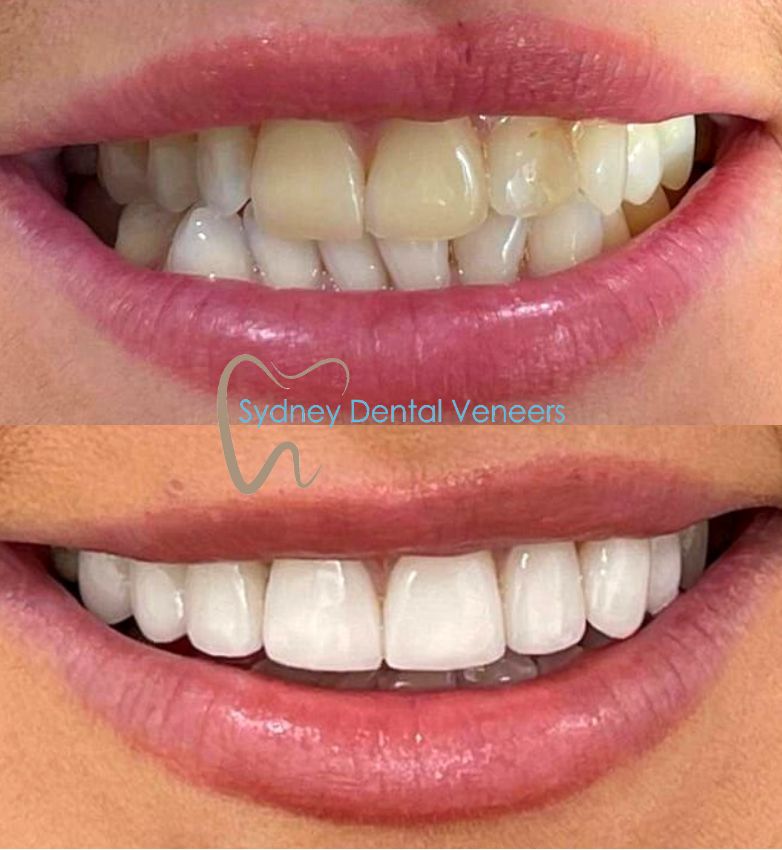
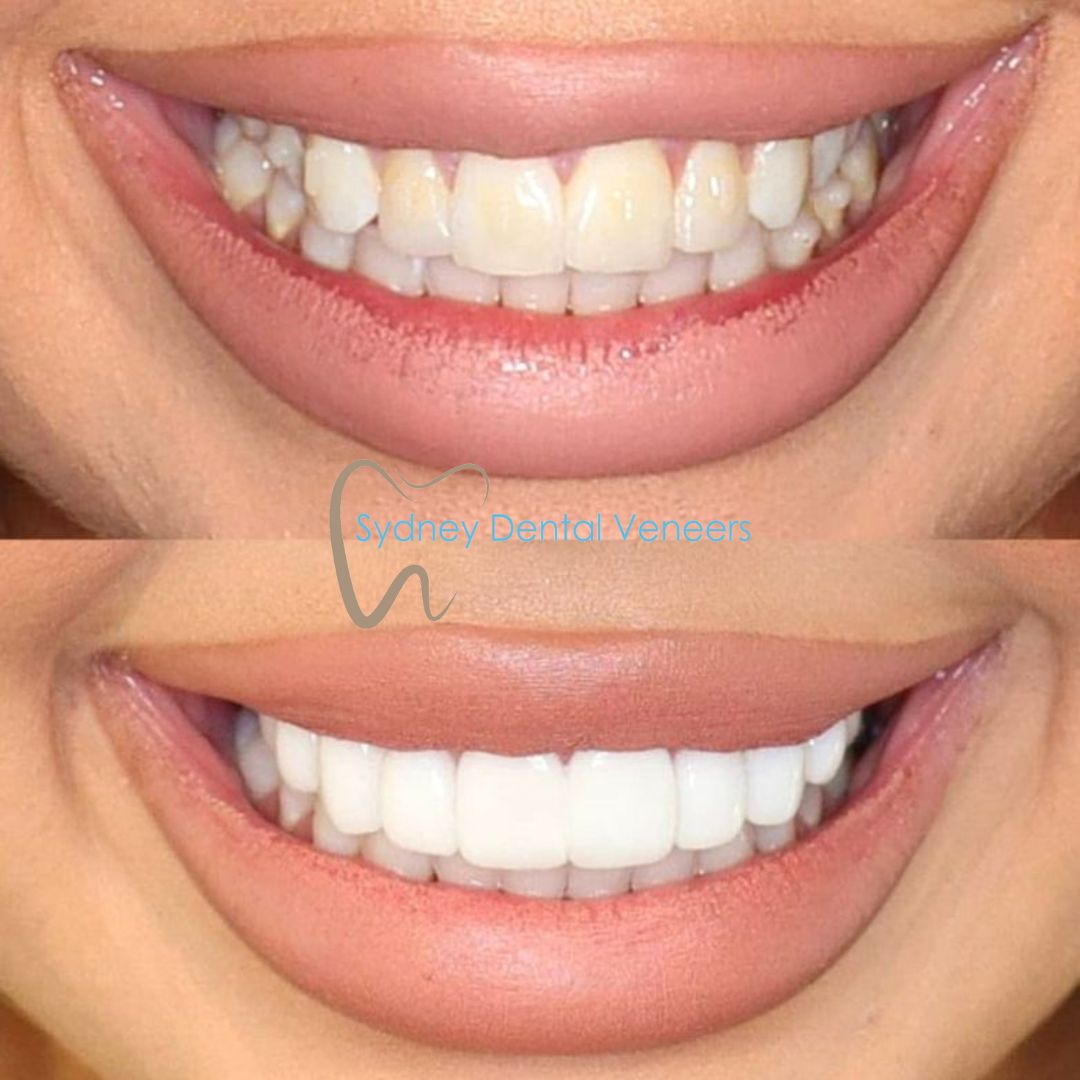
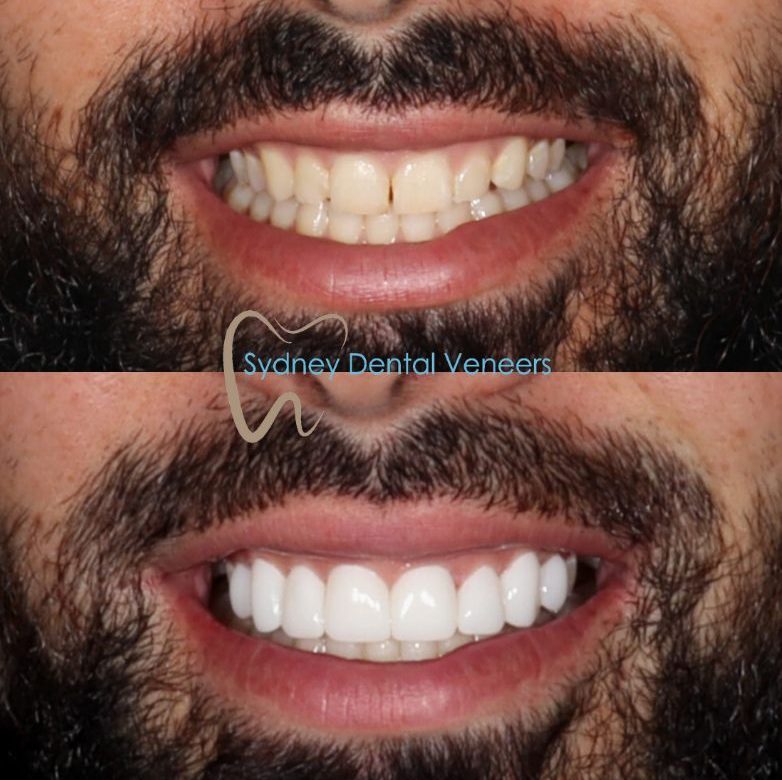
4. Improving the Overall Appearance of Your Smile
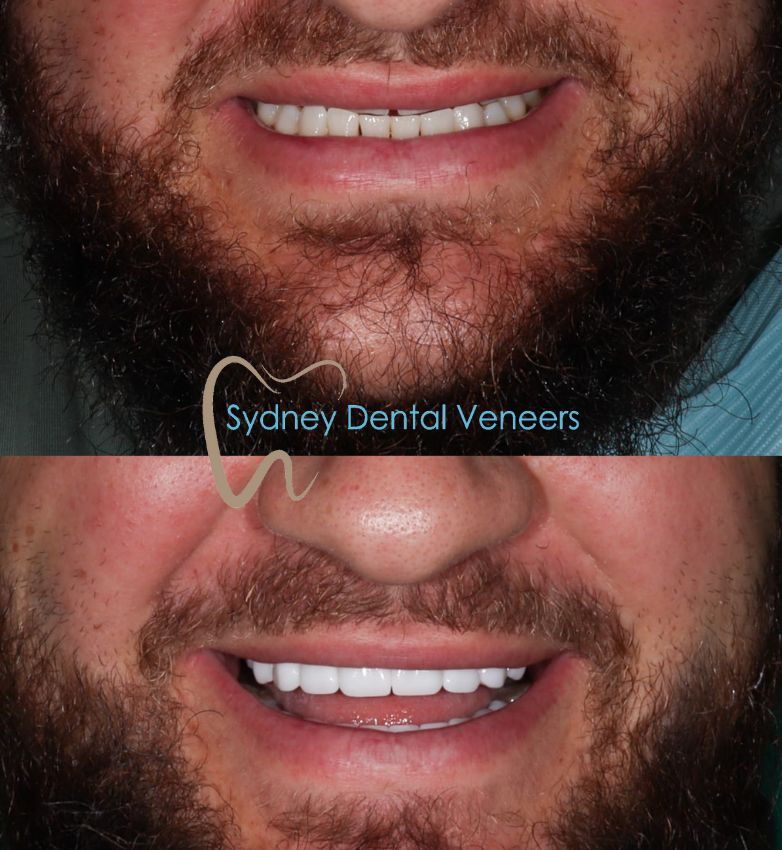
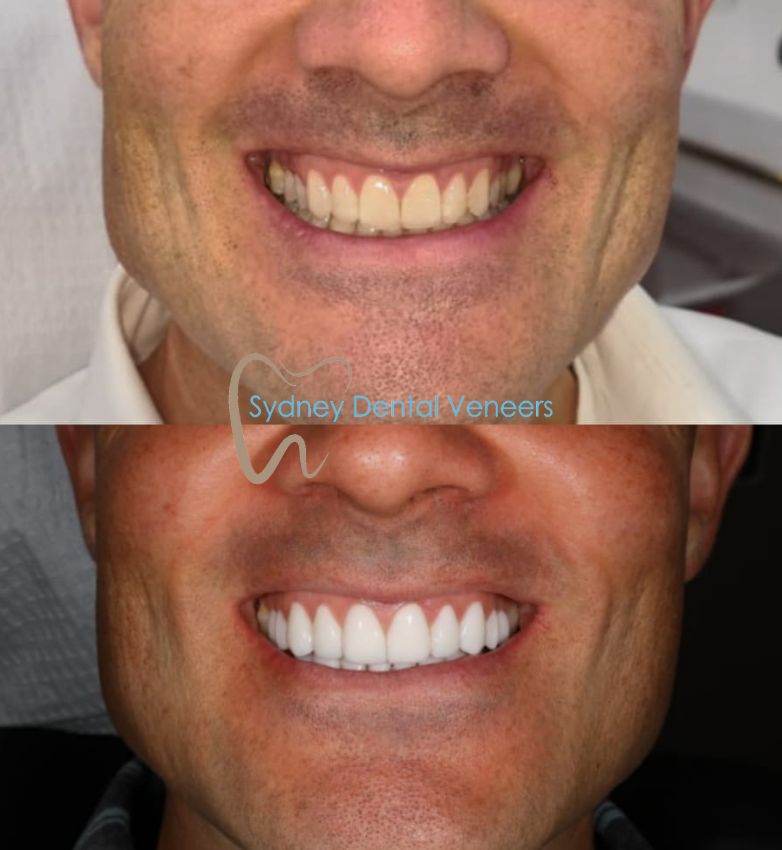
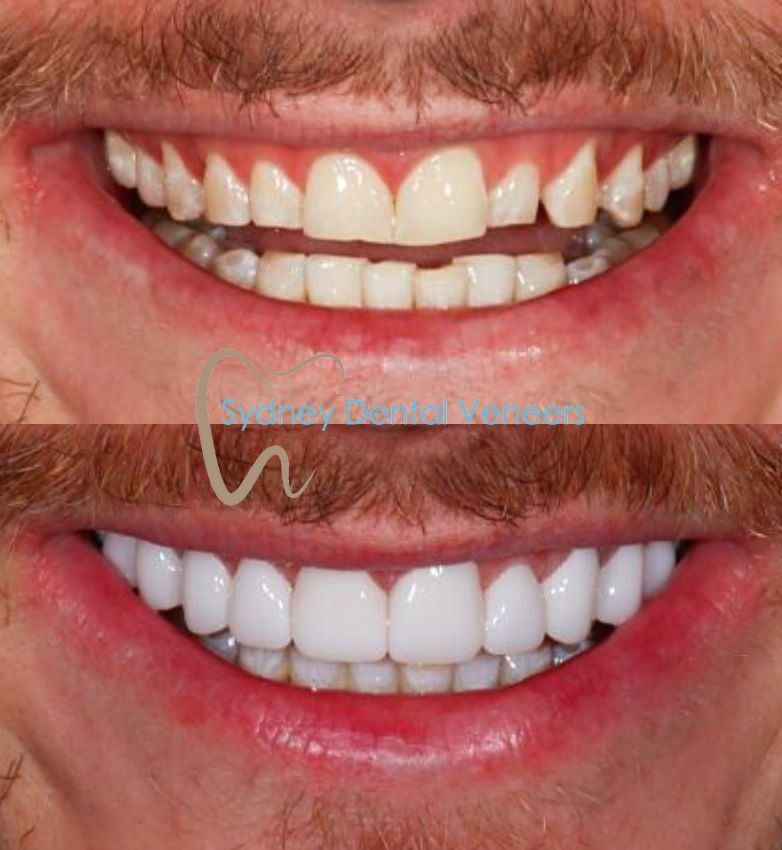
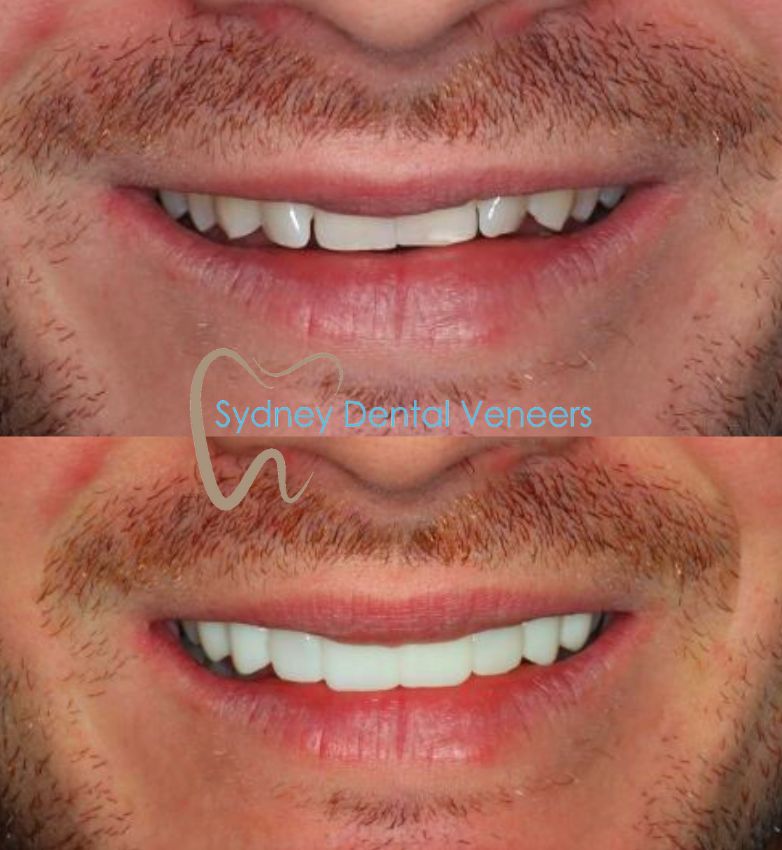
Although a dental crown has a strong restorative purpose, it can also help improve the aesthetic appearance of a tooth. This is particularly helpful when a tooth is:
-
Significantly discoloured
-
Misshapen
-
Severely worn
-
Heavily restored with old fillings
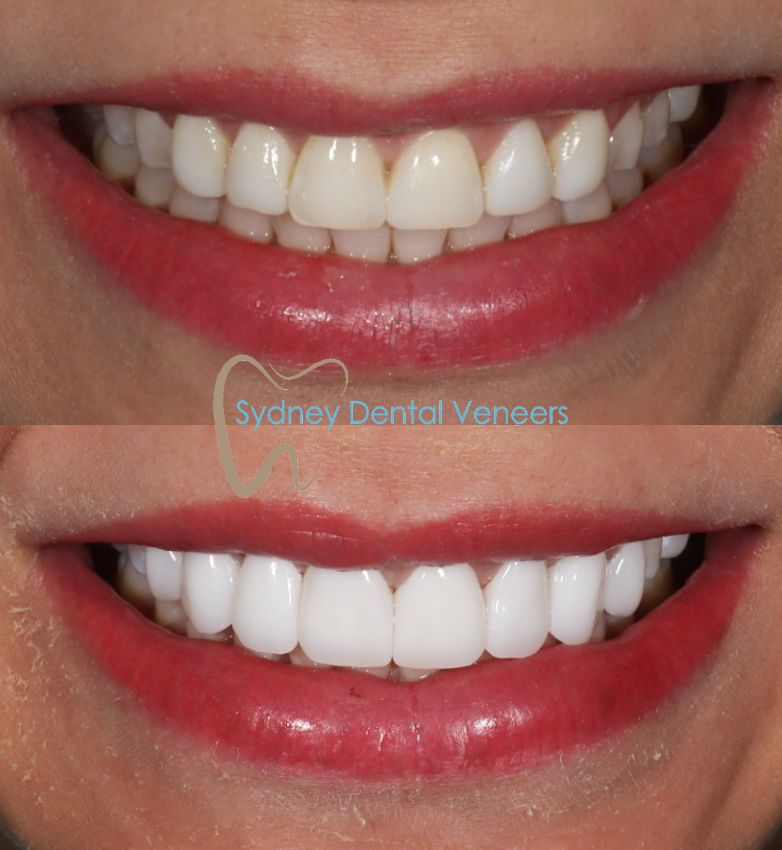
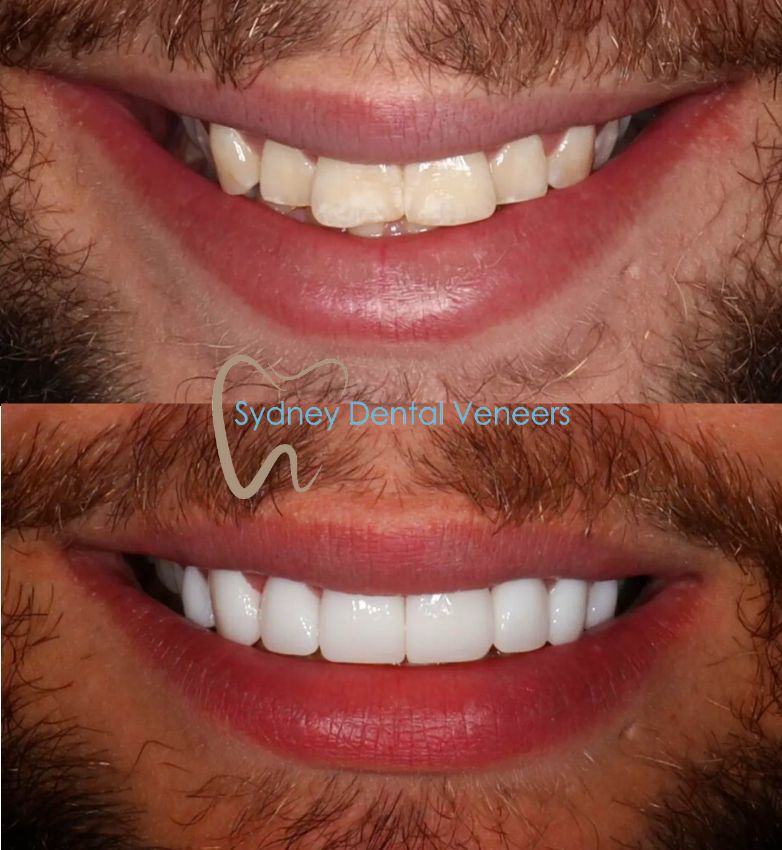
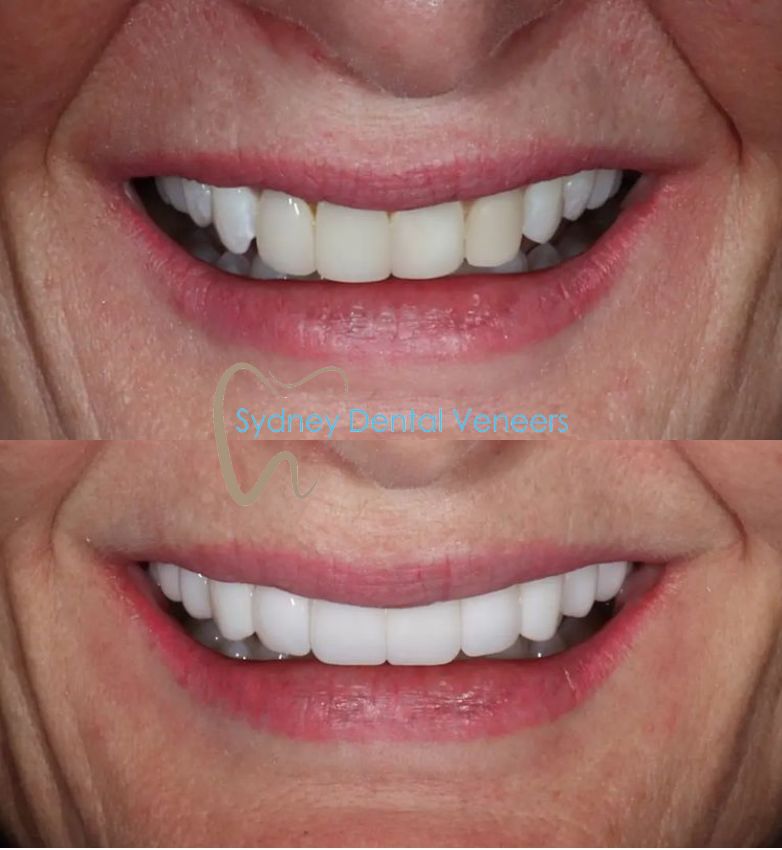
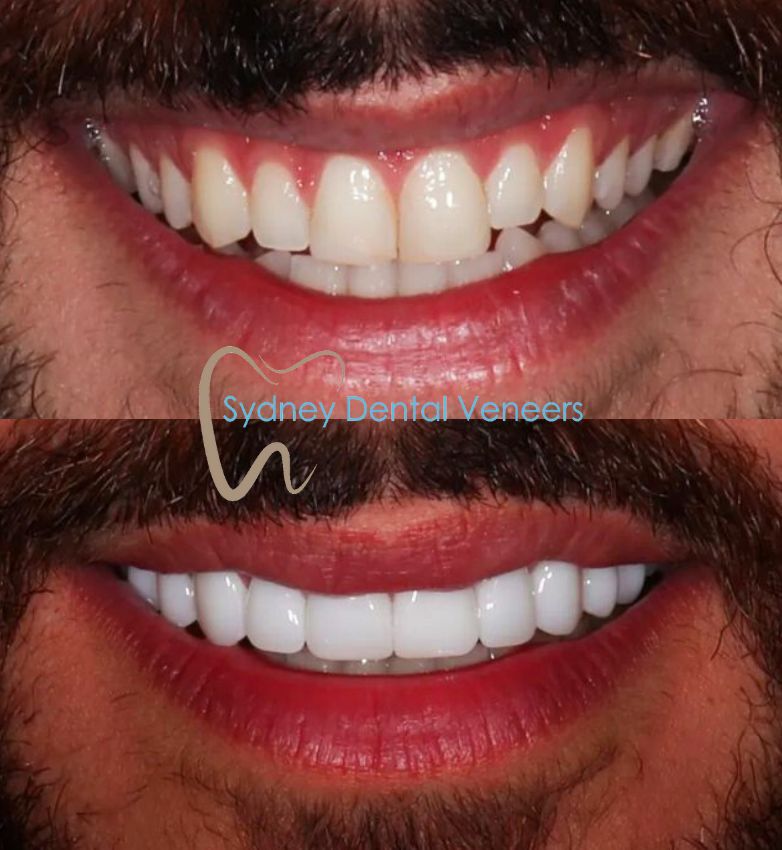
In these situations, a dental crown may be recommended if other treatments such as whitening, bonding, or veneers are not suitable. The goal is to create a tooth that blends naturally with your smile while maintaining strength and function.
While cosmetic improvements can be a positive outcome, the decision to place a crown must be based on clinical need rather than cosmetic preference alone, in line with AHPRA guidelines.
Understanding the Process of Getting a Dental Crown
If you have been advised to consider a crown, it can help to understand what the process may involve. While individual experiences vary, most crown treatments include:
Assessment and diagnosis – Your dentist examines the tooth and discusses whether a crown is the most appropriate option for your situation. X-rays may be taken to check the tooth and surrounding bone.
Preparation – The tooth is shaped to make space for the crown. Any decay or old fillings may be removed.
Impressions or digital scans – These are used to create a custom-made crown that fits your tooth precisely.
Temporary crown – A temporary crown may be placed while the final crown is being created in a dental laboratory.
Final placement – Once ready, the final crown is fitted and adjusted before being permanently cemented into place.
Your dentist will also provide instructions on caring for your new dental crown, including oral-hygiene routines and follow-up appointments if required.
Learn More About Dental Crowns
If you are considering a dental crown or have been advised to explore your treatment options, it can be helpful to speak with a qualified dentist who can assess your specific needs. Every patient’s situation is unique, and your dentist can explain the benefits, limitations, and alternatives suitable for your case.
To learn more about dental crowns teeth, tooth crown options, or the treatment process, you may book an appointment with your preferred dentist at Sydney Dental Veneers. A personalised consultation can help you understand what may be appropriate and support you in making an informed decision about your oral health.